The Newest, Cutest Baby Animals from the World's Zoos & Aquariums

Category: Cotswold Wildlife Park

  • ,

    Close up baby Agoutis

    Cotswold Wildlife Park is home to two new Azara’s Agouti babies!

    Close up of baby Agouti on log

    Agouti Mother and baby close up

    Two baby Agoutis perching on logPhoto Credits: Cotswold Wildlife Park

    Jamie Craig, Curator of Cotswold Wildlife Park, said, “Our Agouti family continues to thrive in the exhibit they share with our group of Squirrel Monkeys. The monkeys can be wasteful feeders and the two new baby Agouti have already learned from their parents that loitering under the trees can provide a little extra food from above!”

    Agoutis are one of the largest wild rodents of the Americas. They were discovered by 18th century Spanish naturalist Félix de Azara. The scientific name “Dasyprocta” means hairy rectum. The hair on their rump is much longer than the hair on the rest of their bodies. When threatened, they can actually hold it erect much like a Porcupine does with its quills. Related to Chinchillas, they can jump as high as six feet straight up in the air from a standing position to escape predators.

    Agoutis have such a great sense of hearing that they can hear fruit hit the forest floor. They also boast an exceptional sense of smell, hiding any extra food that they may have and later locating it with their nose. They are also one of a few species that can open Brazil nuts unaided, using their sharp teeth and jaw strength.

    Females give birth to litters of two to four young, after a gestation period of three months. The babies are born in burrows and can run just an hour after birth. It is believed that Agoutis pair-bond for life.

    (more…)

  • ,

    1_Baby Tapir Lolita at Cotswold Wildlife Park

    Cotswold Wildlife Park, in the UK, is celebrating their first Brazilian Tapir birth since 2006! The calf has been named ‘Lolita’ and was born to first-time parents, ‘Gomez’ and ‘Cali’. 

    2_Tapir and Capybara by visitor Georgia Hicks aged 11

    3_Baby Lolita nose-to-nose with mother Cali

    4_Tapir baby walkingPhoto Credits: Georgia Dicks-age 11 (photo 2); Cotswold Wildlife Park (photos 1,3,4,5,6,7,8,9,10)

    Visitors can see the new calf exploring the enclosure she shares with her parents, alongside the world’s largest rodent species, the Capybara. Both species are native to South America, but Tapirs can also be found in Central America and Malaysia.

    Baby Tapirs are striking in appearance and visually differ greatly from the adults. For the first few weeks of their lives, the mother will make sure the vulnerable calf is hidden in thick foliage in the forest while she leaves to browse for food. The young Tapirs coats are covered with stripes and spots, which mimic the speckled sunlight on the forest floor. This enables the calf to brilliantly camouflage itself, in the wild, against predators. When Lolita was first born, visitors were unaware that a newborn Tapir was just feet away from them until keepers pointed the baby out.

    Cotswold Wildlife Park has a successful history breeding Tapirs, as part of an Endangered Species Breeding Programme. Tapirs have a gestation period of approximately 13 months, and now that the baby has arrived, the young breeding pair, Gomez and Cali, are proving to be excellent parents. Lolita is growing up to be a confident, independent youngster, as well as a welcome addition to the Mammals section.

    Curator of Cotswold Wildlife Park, Jamie Craig, said, “We have done incredibly well with this species in the past, but we are delighted to have a first calf from our new pair. The initial introduction between the adults did not go exactly to plan, and it was a relief to us all when they finally settled together.”

    These unusual creatures have changed little over tens of millions of years. Fossils of Tapir ancestors have been found on every continent except Antarctica. Tapirs are Brazil’s largest mammal and are related to horses and rhinoceroses. Brazilian Tapirs live in wet forests and grasslands in South America where population numbers are declining due to habitat loss and hunting. They are classified as “Vulnerable” on the International Union for Conservation of Nature’s (IUCN) Red List of Threatened Species.

    Tapirs are a key species in shaping the biological diversity of tropical forests. A recent study of lowland Tapirs revealed 122 different seed species in their dung, making them masters at dispersing seeds and vital components in their ecosystem. 

    More amazing pics, below the fold!

    (more…)

  • ,

    10355602_10152314996537217_86050706198492810_o

    Recently, a keeper from Cotswold Wildlife Park, in the UK, became foster parent to an abandoned Clouded Leopard Cub. 

    10714458_10152314996622217_292759414323545366_o

    10683701_10152314996532217_4399768394874041920_oPhoto Credits: Cotswold Wildlife Park


    The young female cub was found, at one-day-old, shivering and close to death. Jamie Craig, a zookeeper at Cotswold Wildlife Park, decided to care for the orphan at his home. With the help of his young children, Mr. Craig diligently tended to the cub, named Nimbus. 

    In order to avoid any interruption from his family dogs, he decided the safest place for Nimbus was in an upstairs bathroom. "We wanted to keep her warm and somewhere secure, and the bathroom was as good a place as any," he said. "She could be messy with the milk and what comes out the other end, so we thought something with a wipe-clean floor was definitely needed."

    After six weeks of care and nurturing at Mr. Craig’s house, Nimbus is now back at the park, in her own area. She is currently too young and small to be placed with older leopards, but, when the time is right, keepers anticipate she will be living with other Clouded Leopards in the park.

    (more…)

  • , , , ,

    Cotswold_Gecko1

    Cotswold Wildlife Park, in the UK, is experiencing a summer baby boom of the cold blooded variety.  The Reptile Section is awash with new births, including some of the smallest newborns in the entire collection. These include: four Mangrove Snakes (bred for the first time at the Park), six Blood Pythons, three Crested Geckos, four Asian Giant Forest Scorpions and a multitude of Lyretail and Checkerboard Cichlids.

    Cotswold_Mangrove Snake

    Scorpion 5 DR CWP

    Lyretail Cichlids with fry 2 DR CWPPhoto Credits: Cotswold Wildlife Park

    Curator of Cotswold Wildlife Park, Jamie Craig, said, “The Keepers at the Park are delighted with the boom in births and hatchlings in the Reptile House.  It is a real achievement to breed some of these species and a testament to the hard work and dedication of the Reptile Department in species that do not always get the same attention as the cute and cuddly!”

    Three Crested Gecko babies were hatched on July 10th. Geckos are one of the most diverse groups of lizards on Earth and are an incredible example of animal engineering. The ribbed flesh on their toes enables them to scale vertical surfaces, even polished glass! Engineers with the US Department of Defense’s research project, DARPA, have been looking into creating ‘bio-inspired’ gloves for soldiers based on the Gecko’s ribbed toes.

    The new breeding pair of Mangrove Snakes has successfully produced young for the first time. Two yellow and black striped snakes hatched in June. These reptiles are brilliantly camouflaged in the brightly sunlit, leafy mangrove habitat, making them masters of disguise in the wild. The Park’s Blood Pythons also produced six young.

    An unexpected birth came from a new species to the collection, the Asian Giant Forest Scorpion. Keepers were pleasantly surprised when the female produced young just weeks after arriving at the Park. The young are born one by one after hatching and expelling the embryonic membrane. The brood is carried on the mother’s back until the young have undergone at least one molt.

    Meanwhile, the Insect and Invertebrate House has seen multiple fish births of two species of Lake Tanganyika Cichlids. The Park’s Lyretail and Checkerboard Cichlids have recently produced young. These fish are secretive shelter spawners, and their fry are smaller than a grain of rice.

    See more photos below the fold.

    (more…)

  • ,

    DR Frogmouth 6

    This striking Tawny Frogmouth chick is being hand-reared by Bird keeper Jade Stott at Cotswold Wildlife Park. She took on the role of surrogate mother to the beautiful baby bird when, unfortunately, the breeding adults didn't prove to be the most capable of parents. To give it the greatest chance of survival, the Bird section decided to hand-rear the chick.

    It is the first time Jade has hand-reared this particular species and she has dedicated the last month to raising the tiny chick at home. It was no small task as the newborn required twenty-four hour care in those precious early days and feeds every two hours. The youngster has been soley dependent on Jade for survival. The Park’s Bird section are delighted with the blossoming healthy chick, who is growing day-by-day thanks to Jade’s dedicated parenting skills. Weighing just 21 grams when it hatched on 4th June 2014, the fluffy chick now weighs 231 grams and has made quite an impression on its surrogate mother.

    DR-Frogmouth-chick-in-Jade's-hands-7

    DR-Frogmouth-with-Jade-1

    DR-Frogmouth-baby-Jade's-hands-2


    Jade Stott said: "Hand-rearing the Tawny Frogmouth has been a massive learning curve. Having a tiny chick absolutely dependent on you is a little daunting at first, but the rewards of seeing it grow and develop its own cheeky character are more than enough payback for the sleepless nights. I'm definitely a proud mother hen!"

    Jade has named the chick Murray, but it is too early to determine the sex of the bird. Visitors can see the chick in the Park’s specialist incubation room (next to the Penguin enclosure) where it will remain for a few more weeks.

    Tawny Frogmouths (Podargus strigoides) are a fascinating species but little is known about their behaviour. Professor Gisela Kaplan, who teaches animal behaviour at the University of New England in Australia, is the author of the most comprehensive single study* ever conducted about these intriguing and endearing birds. Her ten year project unearthed completely new and unexpected findings. She learnt that Tawny Frogmouths are very affectionate and pair for life. When a partner dies, the mate will stay with it for days and will grieve with a high trill for hours on end. The study also uncovered another side to these birds. Gisela describes them as “skunks of the air” as they can send out a foul smell with enormous force over a wide area, perhaps to ward off snakes and big lizards that eat their eggs and chicks. Frogmouths also scream like prowling Tomcats when distressed, fight with lightning speed and defend nest sites from reptilian predators by mobbing and spraying pungent faeces at these dangerous opponents. Even their eye colour changes when threatened by a rival. The irises of the males’ eye turn from yellow to red before they attack any male or female that attempts to enter their territory.

    Related articles

    Tawny Frogmouth Chick Emerges at Woodland Park Zoo
    Orphan Tawny Frogmouth Chicks Rescued in Dundas!
    Tawny Frogmouth Chick is a First for Denver Zoo
    Meerkat Family Grows at Cotswold Wildlife Park
  • ,

    1 anteater

    Cotswold Wildlife Park in the UK has welcomed a Giant Anteater baby, born on February 16! The first-time mother and baby are both doing well. Mom, Zeta, has been very shy about showing off her offspring, but staff have still managed to snap some great photos. 

    Four-year-old Zeta came to Cotswold Wildlife Park from Duisburg Germany. The father, five-year-old Zorro,  came from Colchester Zoo. The pair are the zoo' first Giant Anteaters, and have been at the zoo since 2010. The baby is a first both for the parents and for Coltswold Wildlife Park.

    3 anteater


    3 anteater

    4 anteaterPhoto credits: Cotswold Wildlife Park

    Here's a shot of Zeta's tongue! Anteaters have no teeth, but use their long, sticky tongues to lap up ants and termites. Listed as a Vulnerable species, Giant Anteaters are native to Central and South America. 

  • ,

    1 mara

    Cotswald Wildlife Park welcomed two newborn Patagonian Mara on August 6. They are quite shy and speedy, but zoo staff managed to snap a few pictures of the little ones out and about. They share an enclosure with two young Capybara next to the Giant Anteaters.

    The species, also known as the Patagonian Hare, is the closest relative of the Guinea Pig. They are endemic to Patagonia, meaning that they originate from that area and are found nowhere else in the world. These rabbit-like rodents feed on plants throughout the day and are excellent runners. Pairs will mate for life, and the male will guard the female from potential predators. 

    3 mara

    2 mara

    4 mara

    5 mara
    Photo credits: Cotswald Wildlife Pakr

    Patagonian Mara are listed as Near Threatened on the International Union for the Conservation of Nature's (IUCN) Red List of Threatened Species. Their preferred habitat are lowland forests and bush, which are rapidly being converted for agricultural use. According to the IUCN, main threats to the Mara are habitat loss, competition with grazing livestock and hunting for their skins. 

  • ,

    994193_10153045382690014_731917130_n

    The Cotswold Wildlife Park has their hands full with eight Meerkat pups. Three of the pups, currently living in the porcupine exhibit, were born on May 31. The other five were born on June 19.

    CWP 230_2013_07_06_107_edited-1

    CWP 230_2013_07_06_101_edited-1

    The name Meerkat comes from the Afrikaans words meaning "marsh cat". However, Meerkats are not related to cats, nor do they live in marshlands. Meerkats are social animals that live in large communities of 25 or more individuals. Communities live in burrows, composed of complex tunnel systems consisting of mounds, tunnels, and sleeping chambers. 

    CWP 230_2013_07_06_092_edited-1
    Photo Credit: Cotswold Wildlife Park 

    Related articles

    After Flood Rescue, Five Meerkats Born at Calgary Zoo
    White Rhino Calf is a First for the Cotswold Wildlife Park
  • ,

    068

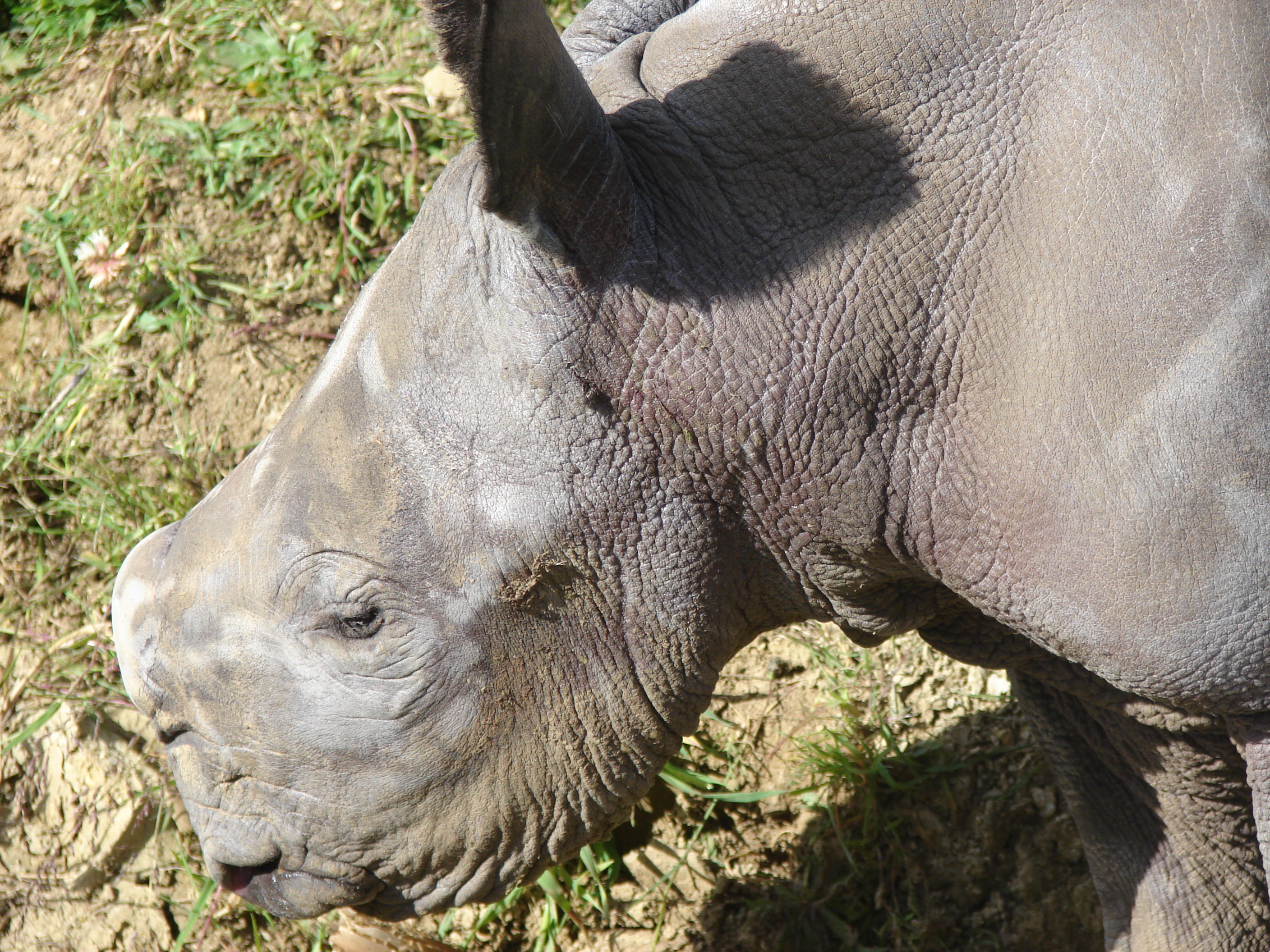
    The first day of the month of July brought a different kind of first for the Cotswold Wildlife Park in the UK. The Park welcomed its very first White Rhino calf in the early hours of the morning. The calf was born to first time parents Nancy and Monty. The family has remained in good health for the first few weeks of the calf's life.

    061

    Parents Monty and Nancy are seven years old. Nancy joined the Park in 2009 from the Mafunyane Game Farm in South Africa. It was hoped that one day, Nancy and Month would successfully breed and produce the Park's first ever White Rhino calf.

    064

    White Rhinos were once the rarest of the five subspecies of Rhinos and were on the verge of extinction in the 1900s. Thanks to conservation efforts, the White Rhino is now the most common of the five subspecies. However, poaching has escalated to serious levels in the past three years due to a demand for rhino horn in market of traditional medicine in Asia.

    067

    010

    022

    038

    060
    Photo credits: Cotswold WIldlife Park 

    Related articles

    White Rhino Calf is a Precious Surprise for Taronga Western Plains Zoo
    Krakow Zoo Welcomes An Important Male Pygmy Hippo Calf
    Rhino Calf Welcomed at Allwetter Zoo
    A Happy Mother's Day for an Indian Rhino
    Another Aardvark Calf for Colchester Zoo
    Musk-Ox Calf is a First for Highland Wildlife Park
  • ,

    PC-Debbie-4

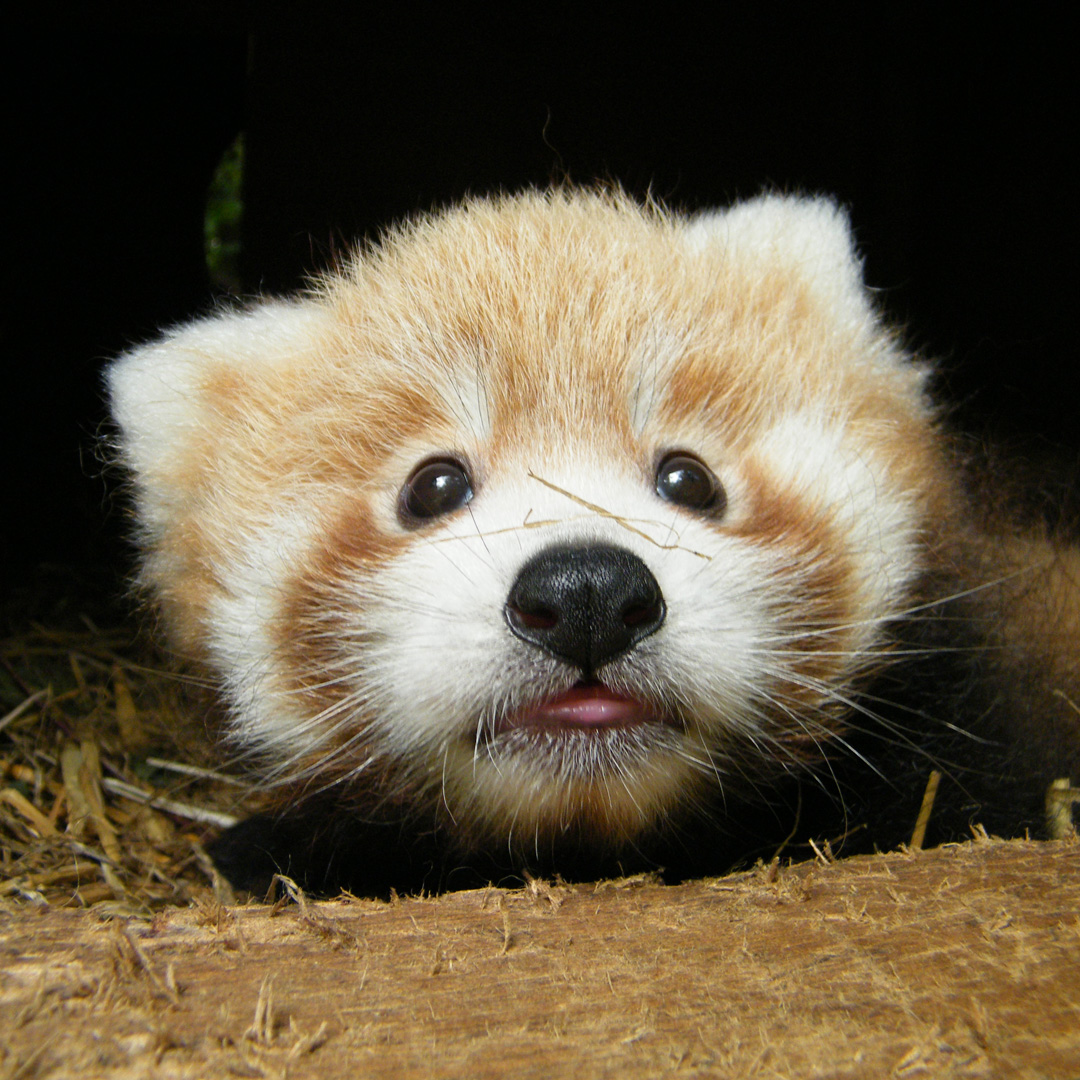
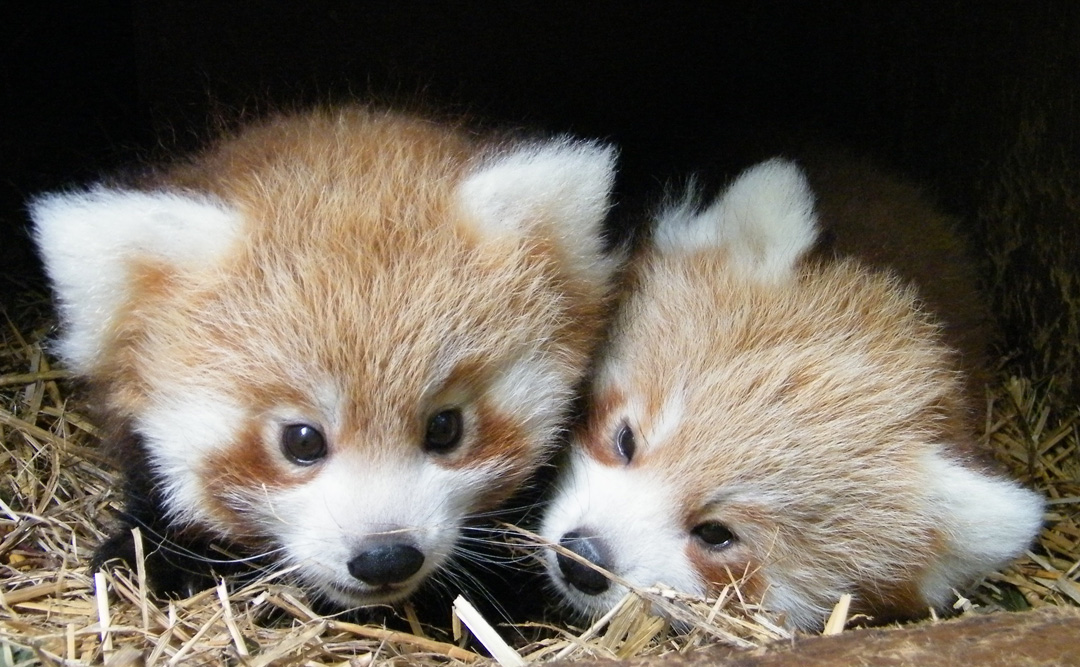
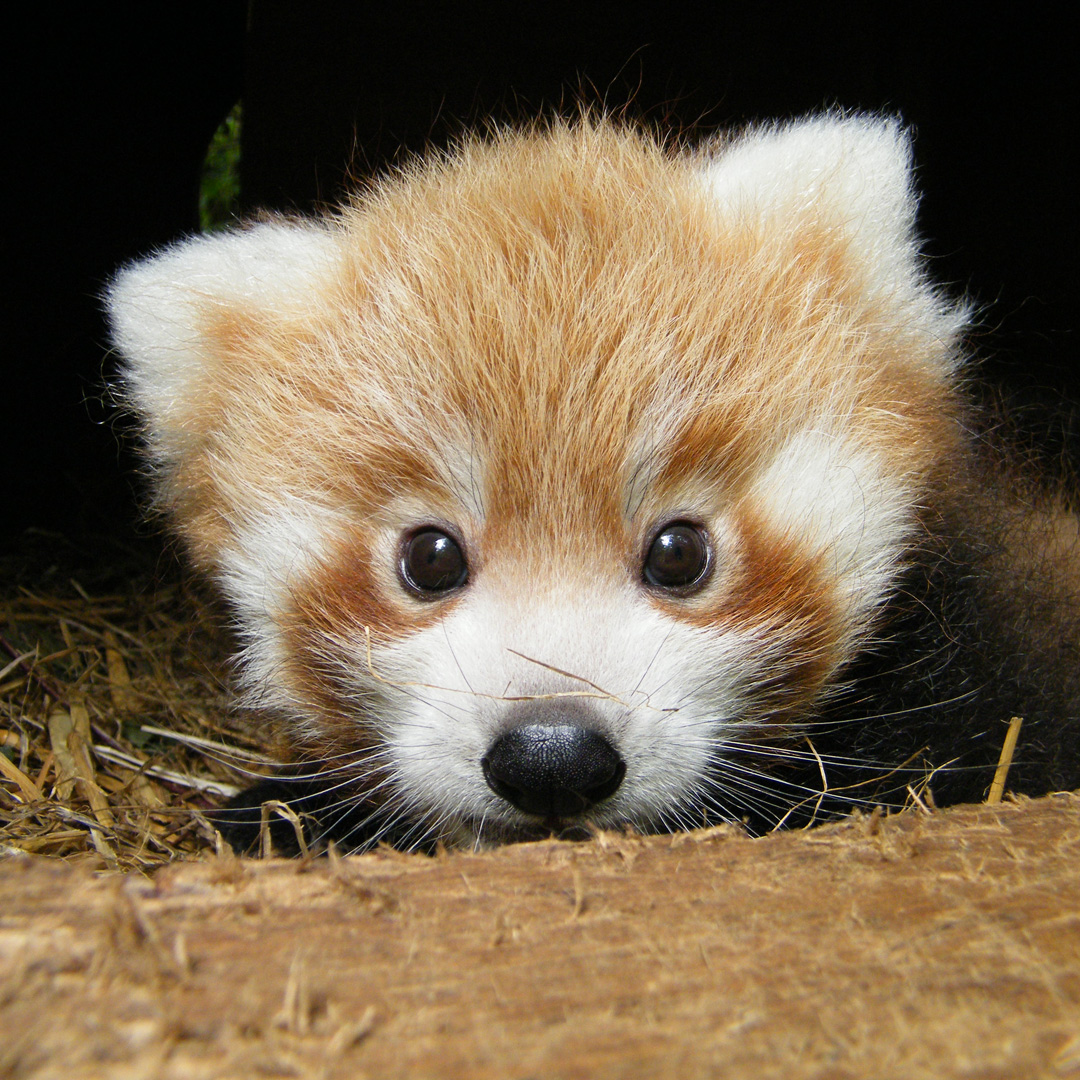
    After three months secluded in their nest-box, two rare Red Panda cubs have finally emerged from the den, much to the delight of Cotswold Wildlife Park keepers and visitors alike. These striking twins are the first Red Pandas to be born at the Park in ten years. The as yet unnamed cubs were born to first-time parents, Doodoo and Scarlet, on 24th June 2012. The births came as quite a surprise to keepers, unaware that Scarlet was even pregnant! Red Pandas only have a small window of opportunity for breeding every couple of years when the female is receptive. Being incredibly shy and secretive animals, keepers did not observe any mating between the adult Pandas and Scarlet’s thick fur hid any tale-tale signs that she was about to give birth.
    Panda-Cubs-twins-nest-box-4

    PC-Debbie-8

    4-weeks-old

    RPC-eating
    Photo credits: Cotswold Wildlife Park


    Curator Jamie Craig said: “The Park has had an excellent record of breeding this species in the past and it says something about our history with Red Pandas that the breeding male we have now is the grandson of one of our original animals. Our new pair look set to be every bit as successful as previous Pandas at the Park and will play an important role in the breeding programme.”

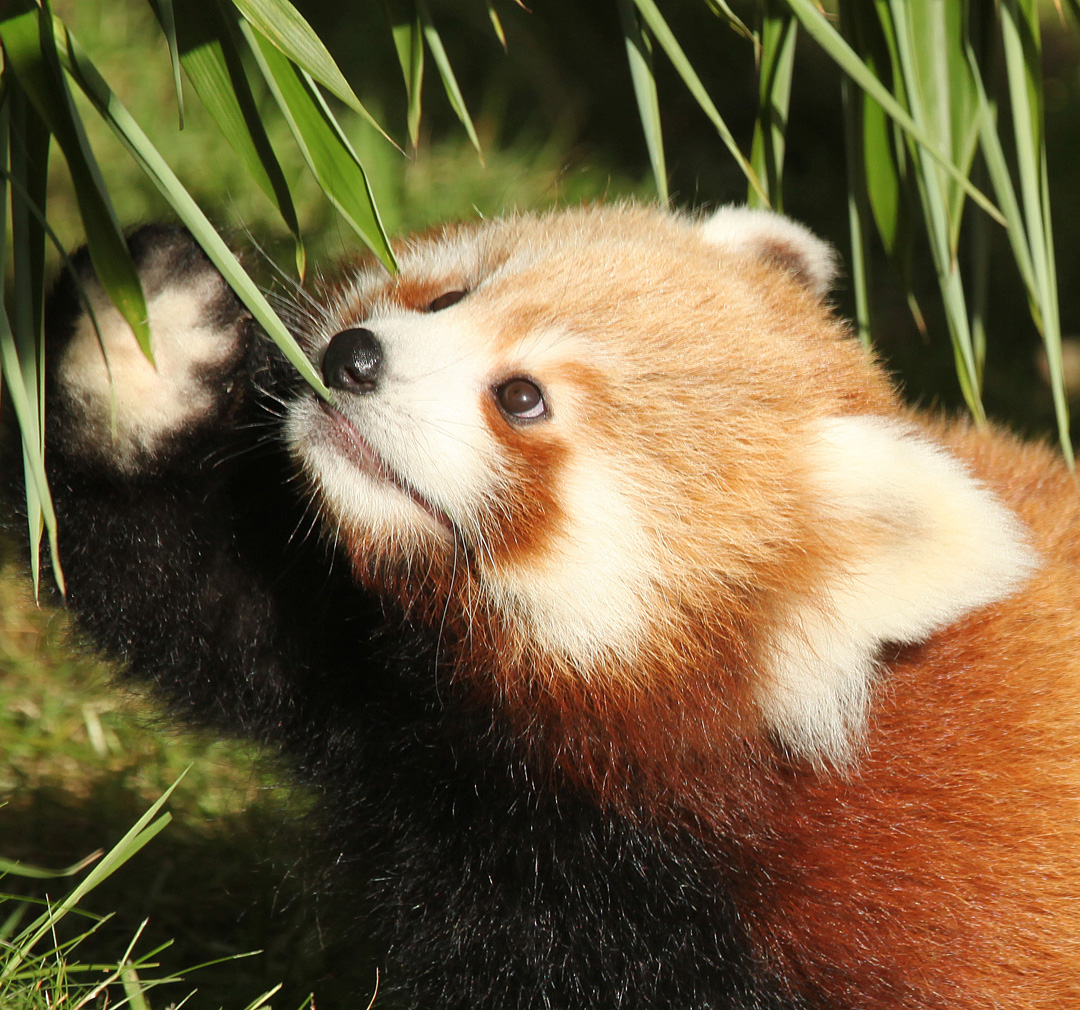
    The Red Panda is classed as 'vulnerable' by the International Union for the Conservation of Nature, which means it is facing a high risk of extinction in the wild. They have also been classified as the 19th most globally threatened species by the Edge Of Existence Programme, so these new arrivals are of great significance to the collection. Tragically, due to habitat loss and fur hunting, it is believed that less than 2,500 Red Pandas remain in the wild. Cotswold Wildlife Park is committed to a European Breeding Programme to protect this gentle species.