The Newest, Cutest Baby Animals from the World's Zoos & Aquariums

Category: Fort Worth Zoo

  • ,

    377655_10151233764402095_365139896_n

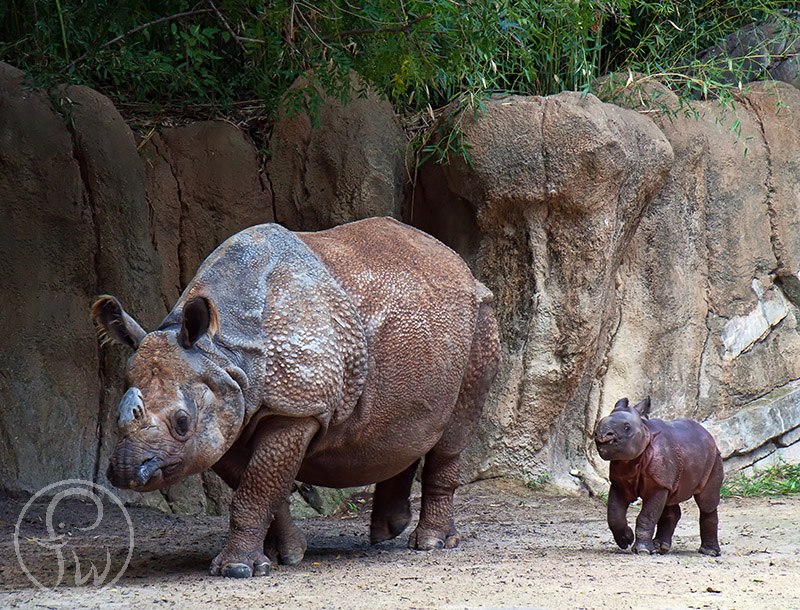
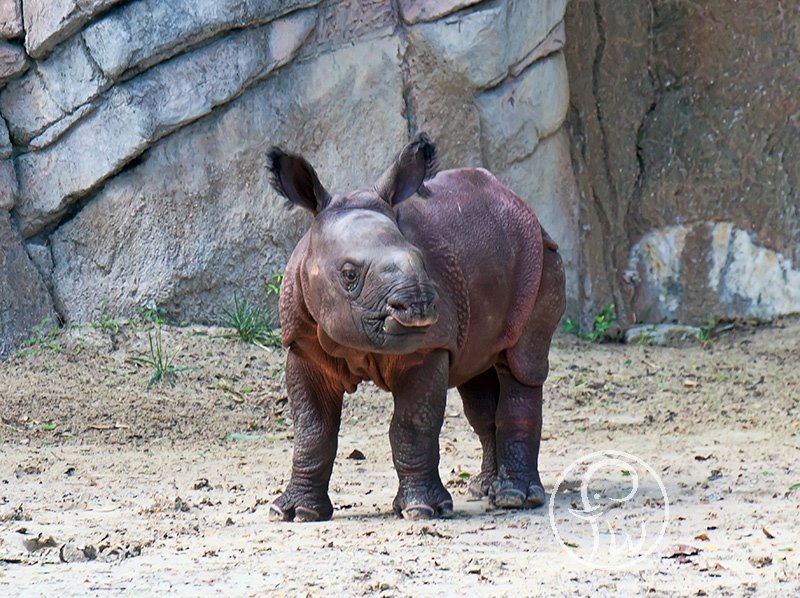
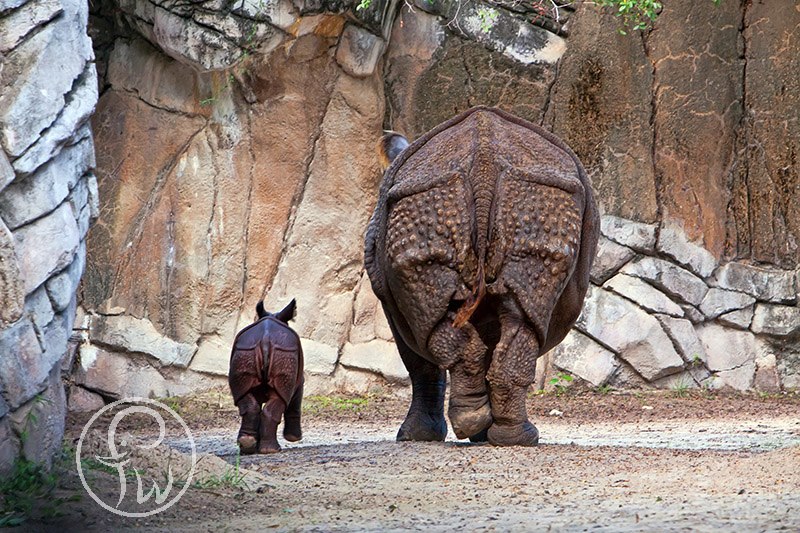
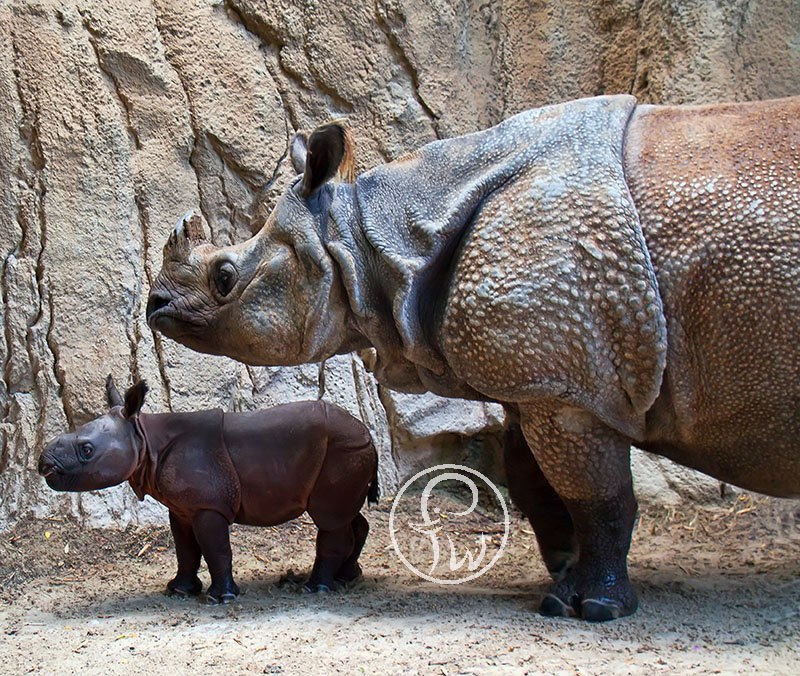
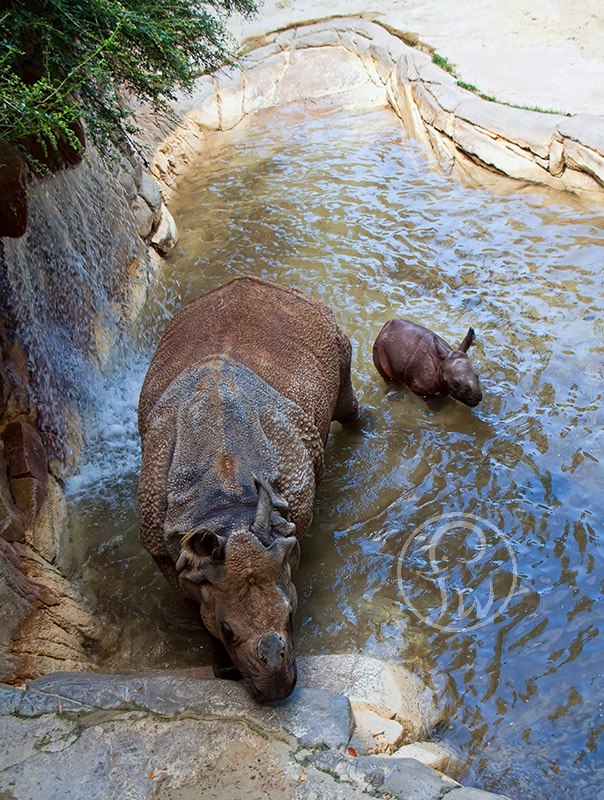
    The first Greater One-horned Rhinoceros born in Texas now has a name: Asha. More than 3,300 Fort Worth Zoo Facebook fans chose from the five names selected by Zoo staff that reflected the baby Rhino’s personality and heritage. Asha, Nepalese for “hope,” was the front-runner from the start, receiving more than half of the total votes.

    Carrie Shiflet Ferguson was chosen as the grand prize winner of the naming contest. She was chosen randomly among the Facebook fans who voted for the winning name, and will receive a greater one-horned rhino adoption package and a family four-pack of admission tickets to the Fort Worth Zoo.
    376869_10151215088047095_693017396_n

    644336_10151230498412095_555769529_n

    556576_10151205175382095_554368212_n

    527758_10151236144657095_1236050168_n

    546705_10151206515952095_637452469_n
    Photo credit: Fort Worth Zoo

    Asha, born August 16, 2012, has joined mother Shanti and sire Arun in the Fort Worth Zoo’sAsian Falls exhibit. The Greater One-horned Rhino is one of 43 endangered species at the Fort Worth Zoo. The Zoo’s greater One-horned Rhinos are part of the Association of Zoos and Aquariums’ (AZA) Species Survival Plan, a program created to manage a sustainable population of endangered species in AZA zoos. The International Rhino Foundation lists the greater one-horned rhino as endangered.

  • , ,

    Face

    When a baby sitatunga was born the morning of November 10, Fort Wayne Children's Zoo keepers kept a watchful eye on the tiny new calf and his mother, Shiloh. Hoofstock usually stand and nurse within a few hours of birth, but this calf wasn’t able to stay on his feet. “He was too weak to stand, and since he couldn’t stand, he was unable to nurse,” says African Journey Manager Amber Eagleson.

    By that afternoon, keepers decided to bottle-feed the calf to help him gain strength. “We bottle-fed him every four hours,” Eagleson says. “At first, he would only take a small amount because he was so weak, but by Friday afternoon he was steadily drinking from the bottle.” 

    Shiloh did her part by waiting patiently when her calf was moved to a separate stall at feeding time. When keepers returned the calf to her, she groomed him vigorously to remove all traces of human scent. By Monday, keepers saw the calf nursing for the first time.

    “We’re still giving him a bottle and weigh him once a day,” Eagleson says. The calf weighed only 7.5 pounds (3.4 kg)  at birth – significantly less than the other sitatunga calves born at the zoo, but he’s catching up. “If his weight increases over the next week, we’ll drop the bottle feedings and let mom take over completely,” Eagleson says.  She adds that keepers hope to name the baby in the next few weeks.

    The Fort Wayne Children's Zoo has had great success breeding these unique marsh-dwelling antelope. Five calves have been born there since 2006.

    Back

    Weigh in

    Curl up
    Photo Credits: Fort Wayne Zoo