The Newest, Cutest Baby Animals from the World's Zoos & Aquariums

Category: Hippo

  • ,

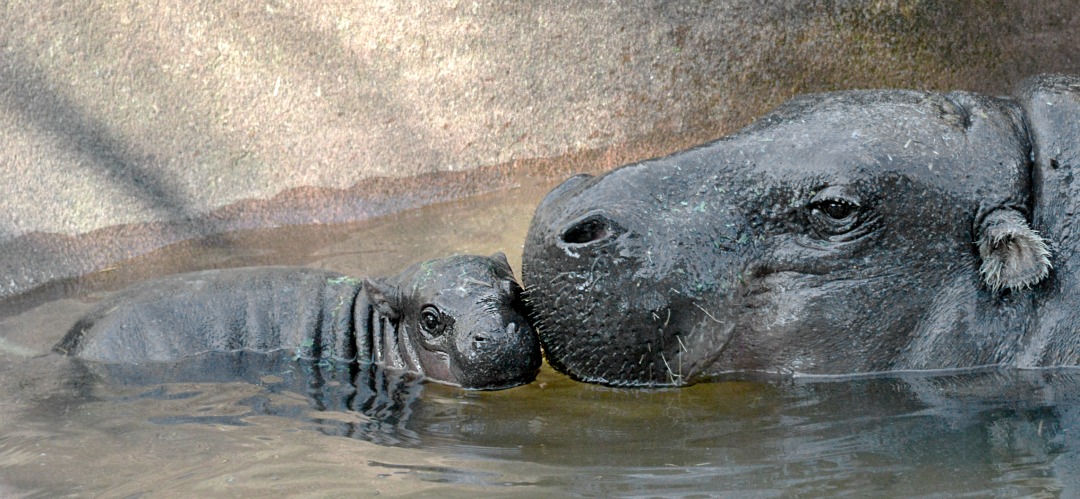
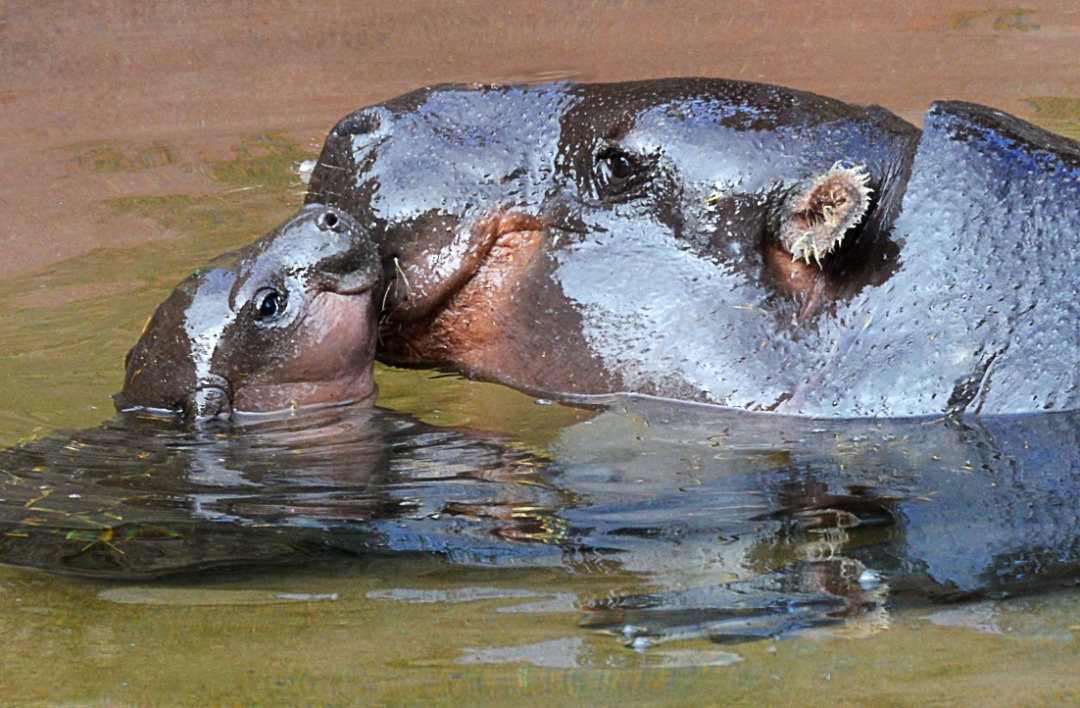
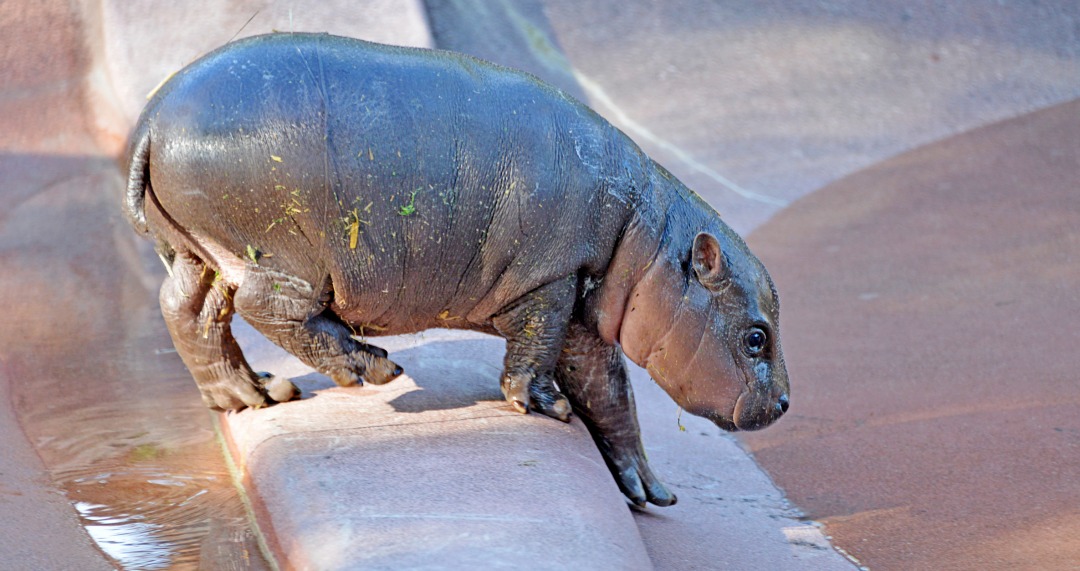
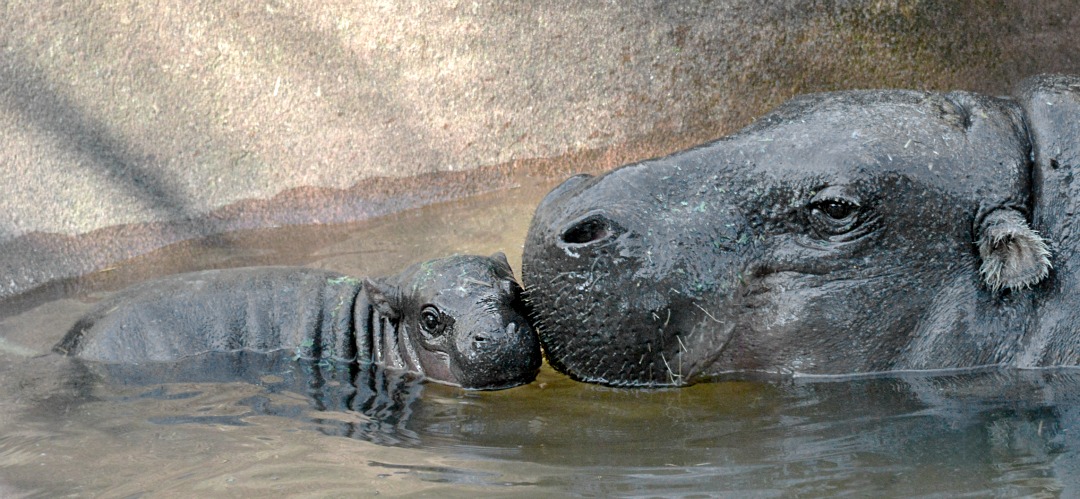
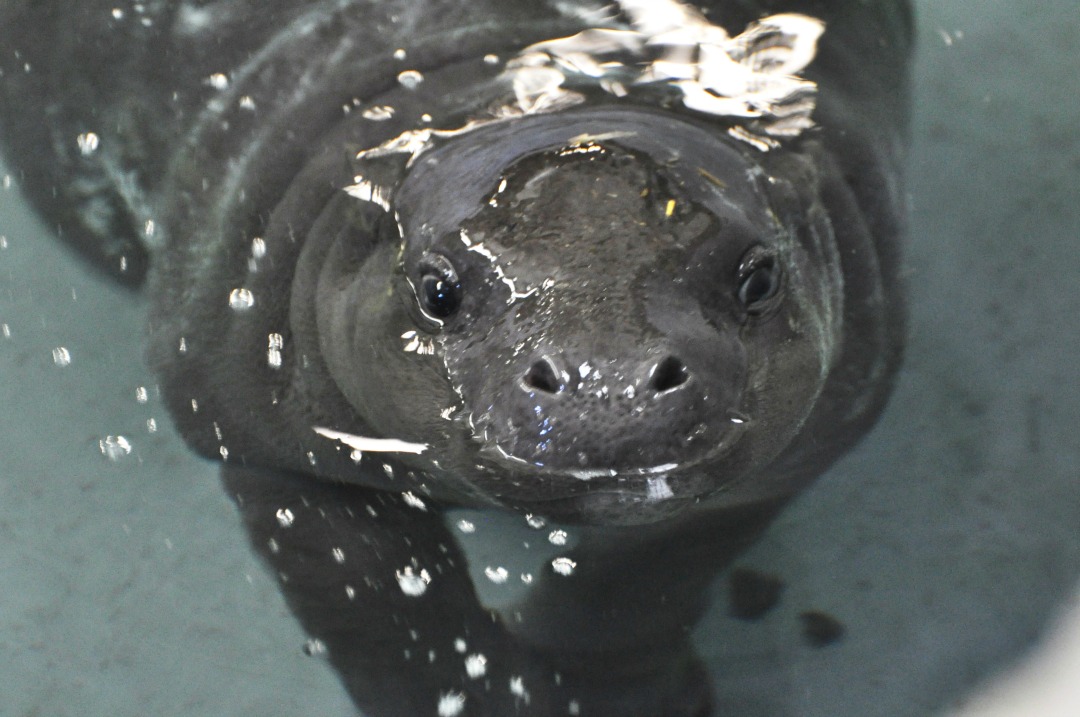
    Baby hippo

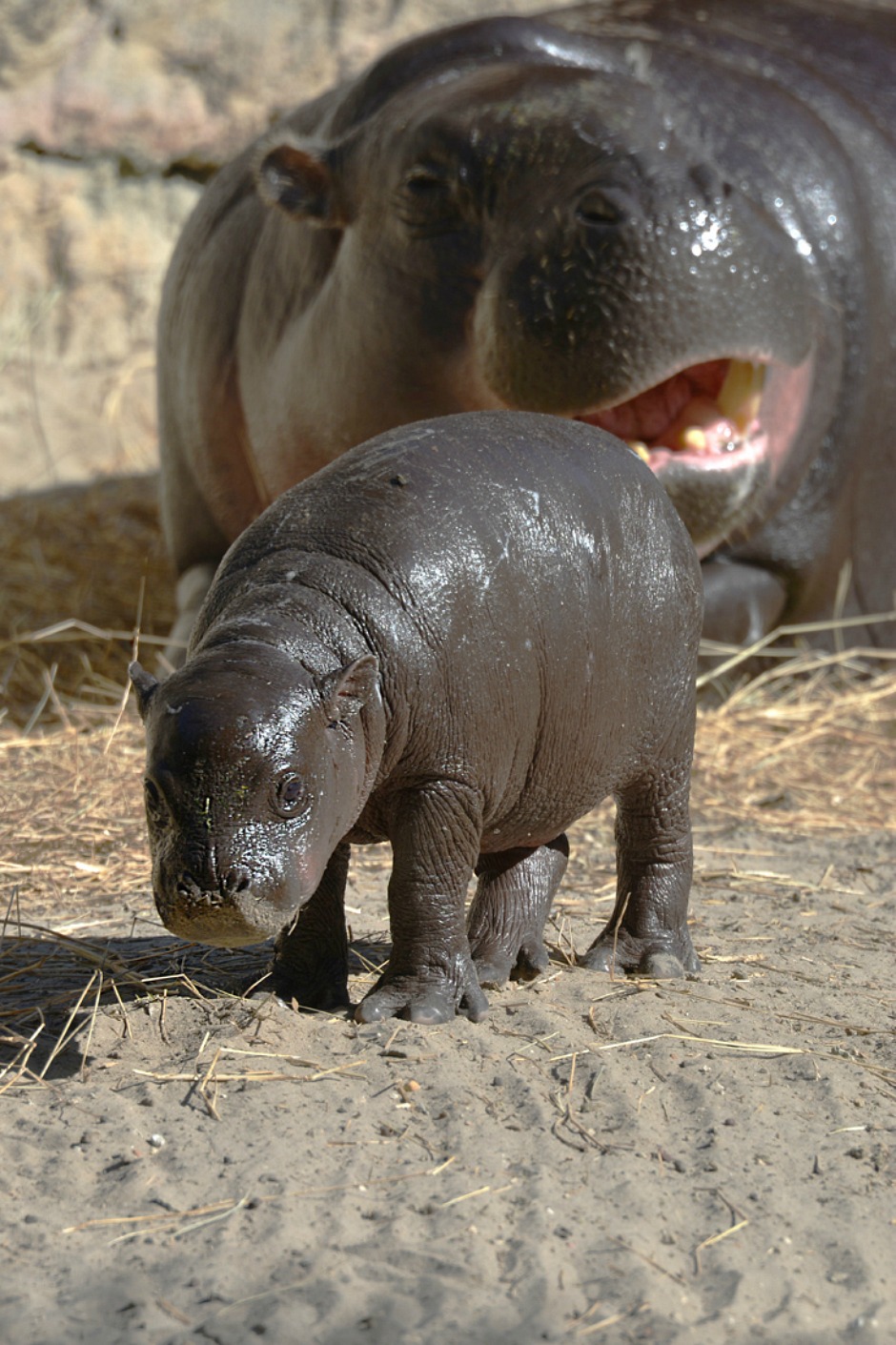
    With chubby cheeks and an upturned
    nose, a baby Pygmy Hippopotamus may look more like a video game character than
    a real animal.  But this male baby, born
    on February 22 at the Gladys Porter Zoo in Brownsville, Texas, is an important
    addition to the population of this critically endangered species.

    Baby hippo2

    Baby hippo4

    Baby hippo3

    Hippo2
    Photo Credit:  P. Scanlan (1), Gladys Porter Zoo (2,3,4,5)

    The male calf, who will be named in
    a soon-to-be-announced contest, made his public debut alongside his
    nine-year-old mother last week.  Zoo
    staffers report that the baby rarely strays far from his mother as he explores
    his surroundings. 

    Pygmy Hippos are native to West
    Africa, where they live secretive lives in the deepest jungles.  Found only in small pockets of Liberia,
    Sierra Leone, Guinea, Ivory Coast, and Nigeria, Pygmy Hippos are about half as
    tall and a quarter of the weight of their cousins the Common Hippos.  Pygmy Hippos spend the day submerged in
    rivers, emerging at night to eat ferns, fruits, and leaves.  To mark their territories, they wave their
    tails while defecating to spread feces as far as possible. 

    There are fewer than 3,000 Pygmy
    Hippos remaining in the wild, and little is known about their habits.  Though not intensely hunted, Pygmy Hippos are
    losing habitat to agriculture and unsustainable forest logging.  Programs like the Species Survival Plan of
    the Association of Zoos & Aquariums seek to maintain genetically diverse captive
    populations of Pygmy Hippos and many other endangered species.   

    Related articles

    Baby Gorilla Leaves Texas for New Home in Cincinnati
    Meet Willow the Rothschild Giraffe
    Elina: Aukland Zoo Breeds Critically Endangered Archey's Frogs
    UPDATE: Sacramento Zoo's Sumatran Tiger Cub Growing Strong
  • ,

    Smile

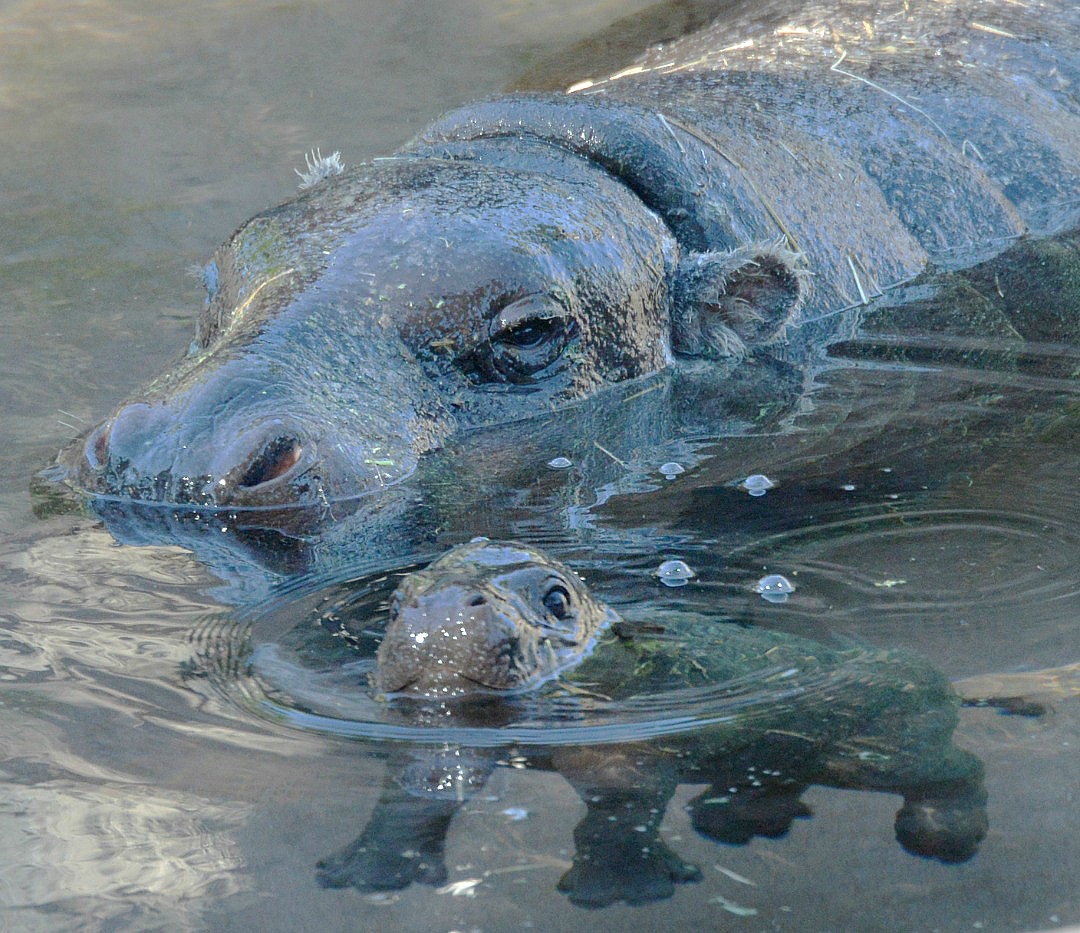
    You may have read about the naming contest for the new baby Pygmy Hippopotamus at Tampa’s Lowry Park Zoo HERE, on ZooBorns. Just a little over one and a half months old, this little girl received a name for Christmas. This rare calf will be called “Zola,” an African name meaning “to love,” as chosen by the Zoo’s online community with more than 3,100 unique votes cast. The vote was close with a one point margin separating the top two names. Zola received 43.5 percent, followed by “Zuri” with 42 percent and “Zawadi” with 14.3 percent.

    Zola was born November 15 to second time mother “Zsa Zsa,” only the second hippo birth in the Zoo’s history (the first occurring in 2008). Classified as Endangered, the Pygmy Hippos at Tampa’s Lowry Park Zoo are one of more than 90 species in the Zoo’s Species Survival Plans, cooperative breeding and conservation programs managed by the Association of Zoos and Aquariums (AZA) to carefully maintain a healthy, self-sustaining captive population.   

    Below you'll see Zola covered in hay one morning, the equivalent of bed head. She takes a dip to get cleaned off until Mom clearly has something to say about it…

    Hip hay

    Hip dip

    Hippo swim


    Hip mom yells
    Photo Credit: Lowry Park Zoo

  • ,

    TLPZ baby hippo nuzzle.jpg

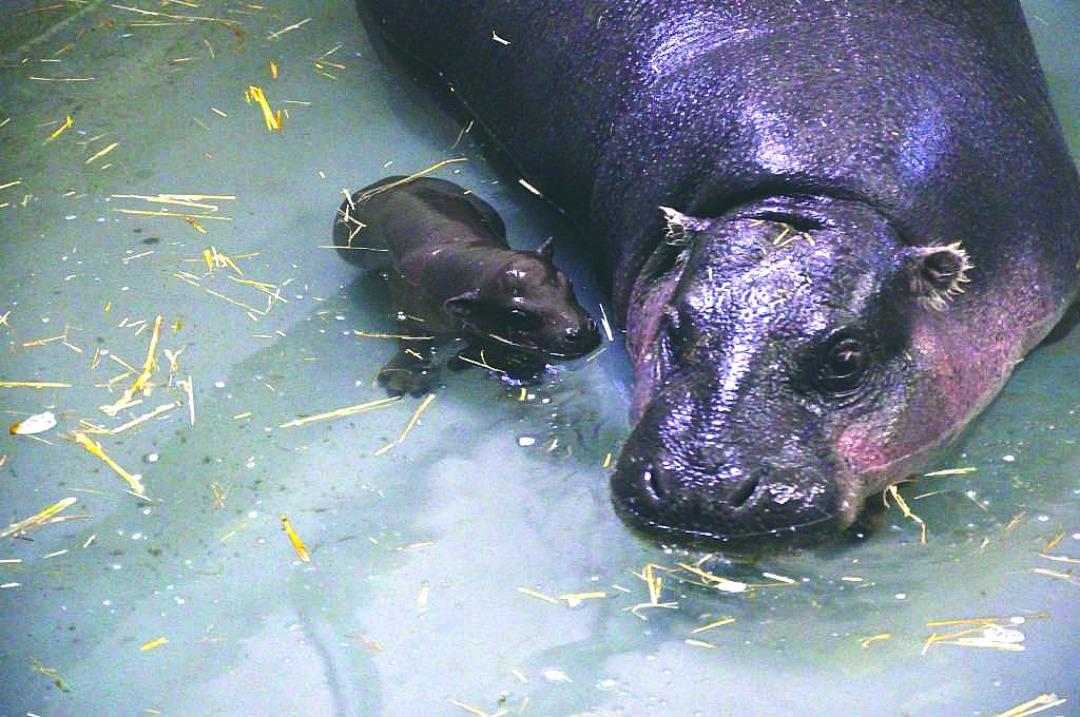
    Two weeks ago this baby Pygmy Hippopotamus was born at Tampa’s Lowry Park Zoo. The female calf, born November 15 to second-time mother Zsa Zsa, is only the second in the Zoo’s history (the first occurring in 2008). Animal care team members have continually monitored the newborn, who is nursing routinely and has “filled out” just like she should be. And now you can vote to name her, by following the link here, just below her pictures. 

    Births are few in the managed population among institutions accredited by the Association of Zoos and Aquariums (AZA), with this calf bringing the total number of animals to just 55. Pygmy hippos are extremely rare in the wild, numbering only a few thousand, so this birth is very important to her species.

    The pygmy hippos at Tampa’s Lowry Park Zoo are one of more than 90 species in the zoo’s SSPs, cooperative breeding and conservation programs managed by the Association of Zoos and Aquariums (AZA) to carefully maintain a healthy, self-sustaining captive population.  

    Hippo swimming.jpg.jpg

     Mom and calf .jpg

    Photo Credit: Lowry Park Zoo

    The Zoo has launched a naming contest on its holiday web site, Wild Wonderland. Click that link to vote. Several African names starting with the letter Z in honor of mother hippo Zsa Zsa have been selected. The name that receives the highest number of votes through Monday, December 3, will be declared the winner:

    • ·         Zawadi — “gift”
    • ·         Zola — “to love”
    • ·         Zuri — “beautiful”

    Of all the entries for the winning name, TWO voters will be selected at random to win a family 4-pack of Zoo tickets, in honor of this second calf born at the Zoo.

    Read more about Pygmy hippos after the fold:


    (more…)

  • ,

    TLPZ Pygmy Hippo born 2

    A rare Pygmy
    Hippopotamus was born November 15 at Tampa’s Lowry Park Zoo to second-time
    mother Zsa Zsa. The birth is only the second in the Zoo’s history and is a significant conservation milestone for the managed
    population.

    “The birth of
    this rare and endangered nocturnal forest species marks only the 55th
    individual in the managed population within North America and underlines the
    importance of our conservation efforts with this species.,” said Dr. Larry
    Killmar, vice president of animal science and conservation.  “With fewer
    than 3,000 Pygmy Hippos in the wild, each birth is vital if we have any hope of
    saving this truly unique species.”

    TLPZ Pygmy Hippo Born 3

    TLPZ Pygmy Hippo born

    The zoo’s animal care team has
    monitored Zsa Zsa and the yet-to-be named female newborn since
    birth.  The mother appears to exhibiting appropriate behaviors and the
    calf and has been seen nursing routinely.  At birth, calves are about 20
    inches long and weigh about 10 pounds.  Adults average 350-550 pounds, stand
    about three feet tall at the shoulder, and are four to six feet in
    length. 

    The wild
    population of Pygmy Hippos is considered endangered.  The species is
    mainly confined to the lowland forests, swamps, and riverbanks of Liberia, with
    small numbers in neighboring countries. 

    The
    zoo is holding an online naming contest for the baby. 
    Voters can choose from three African names starting with the letter Z in
    honor of mother Hippo Zsa Zsa. The name that receives the most votes through
    Monday, December 3, will be declared the winner:

    • Zawadi — “gift”
    • Zola — “to love”
    • Zuri — “beautiful”

    Photo Credits:  Lowry Park Zoo


  • , ,

    Zoo-Wroclaw-Pygmy-Hippo-3

    On September 8th, Zoo Wroclaw welcomed a baby Pygmy Hippopotamus. This is the third calf for parents Elpunia and Carlos. The female calf stays close to her mother and has been seen trying to eat veggies and leaves. According to zoo officials, the small but fearless hippo took a bath in a swimming pool during her first day of life. Pygmy Hippos are endangered due to habitat destruction. It is estimated that fewer than 3,000 remain in the wild.

    Zoo-Wroclaw-Pygmy-Hippo-2

    Zoo-Wroclaw-Pygmy-Hippo

    Zoo-Wroclaw-Pygmy-Hippo-4

    Zoo-Wroclaw-Pygmy-Hippo-5
    Photo credit: Marcin Matuszak / Zoo Wroclaw

  • ,

    Hippo cu

    She may be tiny, but this rare Pygmy Hippo is making a big splash at ZSL Whipsnade Zoo. Born eight weeks ago, the little calf named Georgina is enjoying exploring her new surroundings, paddling around her heated indoor pool alongside mom. The youngster is the second born to parents Flora and Tapon. She arrived just 18 months after the birth of their son Sapo, who was the first male Pygmy Hippo to be born in Europe.

    The new baby is an important addition to the European Endangered Species Program and for the conservation of this species worldwide. Pygmy Hippos are considered Threatened. In the wild their numbers have dwindled to less than 3,000. The species is part of ZSL’s Edge of Existence program – a global conservation effort dedicated to threatened animal species which have a unique evolutionary history. 

    Hippo side

    Hippo - mom. M Holden
    Photo Credit: ZSL Whipsnade

    Africa section team leader, Mark Holden, said, “Like the name hippopotamus – which means water horse – suggests, Georgina enjoys taking a dip, paddling around, and blowing bubbles under the water. Flora’s a star mum and is really helping the new calf to thrive.”

  • , ,

    Harry-and-Toni-Inggs

    In the early hours of last Thursday morning, The Cango Wildlife Ranch in South Africa welcomed a new little fresh-faced baby. Hilda and Herbert, the Pygmy Hippopotamus pair had successfully mated and gifted the ranch with a beautiful 5.1kg healthy baby boy named Harry.

    Hilda's water broke last Wednesday afternoon, creating much excitement and anticipation on the ranch. Immediately Hilda and Herbert were separated, making it easier for staff to observe Hilda. The Hippo pond was drained as well to eliminate the risk of her giving birth in the water. Ranch Director, Rob Hall, and Reptile Curator, Neal Martin monitored Hilda throughout Wednesday night…quietly watching her from a safe distance. After a long and uncomfortable night Rob and Neal dozed off just after 5h30 and awoke just less than an hour later, only to discover that Hilda had just given birth! They quietly observed the mother and baby for some time. Hilda was clearly exhausted!

    IMG_4867

    Harry-drinking

    Harry-swimming-in-the-bath-at-5-days-old

    Harry-taking-a-nap

    IMG_4880

    IMG_4892

    Toni-Inggs-just-finished-bathing-Harry

    Harry-sleeping
    Photo credits: Cango Wildlife Reserve

    The Pygmy Hippopotamus' wild population is classified as critically endangered. There are fewer than 3000 left in the wild. They hail from West Africa, mainly confined to Liberia, with small numbers in the neighboring countries of Sierra Leone, Guinea and the Ivory Coast. So for Cango Wildlife Ranch, from Oudtshoorn South Africa, to successfully breed another endangered species is a very proud moment for all involved.

    ZooBorns-The-Next-Generation2

    Read more beneath the fold.

    (more…)

  • ,

    Mom and baby

    A Baby Pygmy Hippo named Eve was the last birth of 2011 for Scotland's Edinburgh Zoo, with mom Ellen giving birth right on New Year’s Eve. Mom and baby seem to have a really strong bond. An excellent parent, Ellen gave birth to her first calf, another girl called Leishan, in 2009. Eve is a little shy and tends to stick close to her. Just this week something new happened — the little one started venturing into her outdoor enclosure from the cozy pygmy hippo house, under the protective gaze of her mother.

    Baby Eve grows in confidence every day, having tackled swimming lessons from mom just a few days after she was born. Surprisingly, given their love of water, pygmy hippos have to be taught how to swim.Very strong swimmers, Pygmy hippos are native to West Africa, and can often be spotted paddling around and making a splash in their enclosure at Edinburgh Zoo. Perfectly adapted to this love of the water, they have muscular valves that close their ears and nostrils when submerged.

    Donald Gow, senior primate and hoofstock keeper at Edinburgh Zoo, said: “Pygmy hippos are endangered in the wild and numbers are declining, so it’s fantastic that Edinburgh Zoo has such a natural mom like Ellen. She’s got great maternal instincts."

    Baby

    Bums
    Photo Credits: Edinburgh Zoo

    Read pygmy hippo facts after the jump:

    (more…)

  • ,

    Baby-Hula---Pool

    A baby Hippo has made its debut splash in the public pool at ZSL Whipsnade Zoo. Born on September 14 2011, and weighing in at a hefty 90 pounds (40kg), the baby has so far been staying with mum in their private dens, but last month made its first appearance in the big pool. The “tiny” tot is thought to be a little girl, but its sex is yet to be confirmed. In the meantime, keepers have nicknamed the youngster Hula – an abbreviation of dad’s name, Hoover, and mum’s, Lola. Zookeeper Mark Holden said: “We’re really excited by this new arrival at the Zoo, especially as both mum and dad are first-time parents – and Lola seems besotted with her new arrival.”

    Lola-and-Hula---Kiss

    Baby-Hula---Poola

    First-Steps-in-the-Pool


    “After taking a few tentative steps on the water’s edge, baby Hula was encouraged into the pool by mum, and is now enjoying blowing bubbles under the surface and paddling around by herself”. Born after a 240-day gestation period baby Hula will one day weigh approx. 3090 lbs (1400kg) when she’s fully grown, and reach up to 1.6 metres in height.  Classed as Vulnerable by the IUCN Red List of Threatened Species, and under threat from poaching and habitat loss in the wild, Hula is a much welcomed addition to the European Studbook for common Hippos.

  • ,

    Mom noses

    A baby hippo, born at the Berlin Zoo on October 23, has been delighting keepers and guest alike. The as yet unnamed calf remained behind the scenes in the pools for several days to bond with it's mother Nicloe. Then she confidently led the baby to the water in the exhibit, and introduced the little one to the other members of the herd.

    This is the third baby for this experienced mom, and the baby's interactions with her siblings and the other adults is wonderful to watch. The wee one made this public debut on Nov. 1. Underwater, they run or walk along the bottom with their ears and nostrils clamped shut by special small muscles. Their heart rate slows, allowing them to stay under for up to 30 minutes, though they commonly come up for air every 6-7 minutes.

    Hippopotamus live on both land and water. Their natural habitat is grassland where there is permanent still water that is not too deep. Sadly, this species has been declared endangered because of habitat loss due to man's encroachment, and because they are hunted for meat.

    Wmom

    Hi

    Swim

    More pics beneath the fold…

    (more…)