Oakland Zoo has so many adorable pictures of their new baby Hamadryas Baboon, Mimi, that they decided to post one every day this week on their Facebook page: https://www.facebook.com/OakZoo
Oakland Zoo gives the baby Baboons baby toys like stuffed animals and baby teething toys and also baby rubber toys to give them something to chew on when they are teething. The infants teeth start to appear within 5 days of birth!
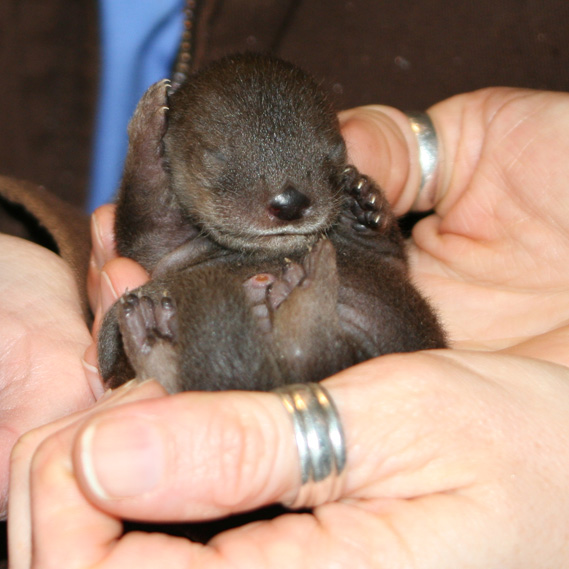
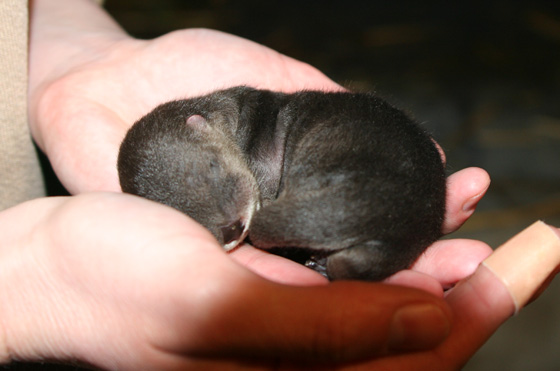
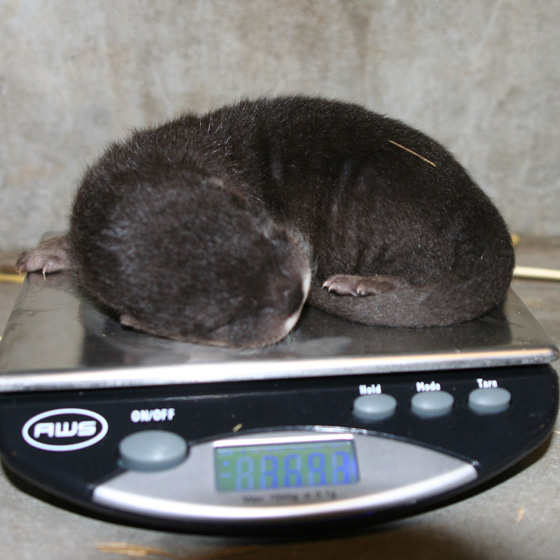
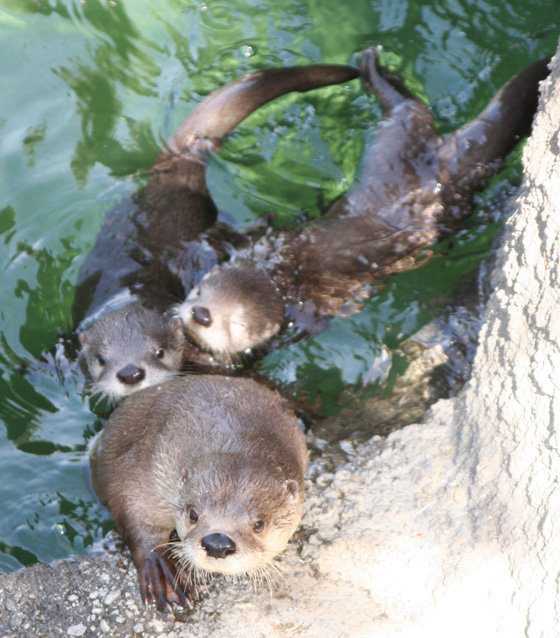
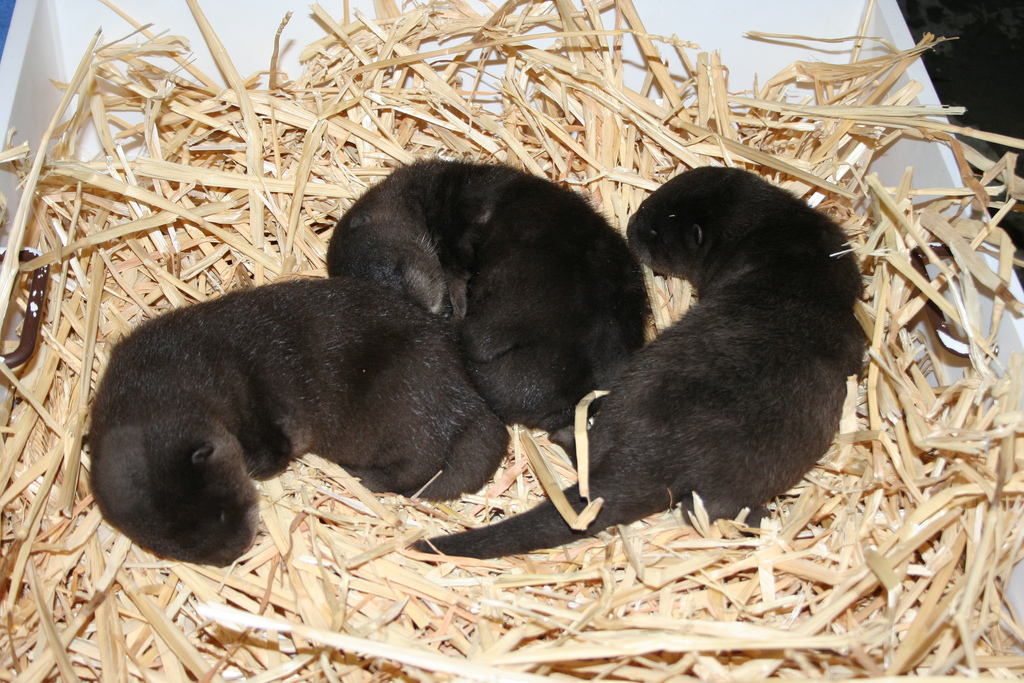
After successful swimming lessons and healthy checkups, three male River Otter pups are now on exhibit at Oakland Zoo. They were born to Ginger, on the morning of February 24, 2013. Each baby weighed approximately 0.3 pounds at birth or about 136 grams. They now weigh around 4.5 pounds. The pups are named Kohana (swift), Hinto (blue), and Shilah (brother).
North American River Otters are found in most of the United States and Canada. They enjoy a diet of fish, crayfish, frogs, turtles, and aquatic invertebrates. Spending most of their time on land, they are nursed by their mom for one month and are weaned at about 3-4 months. They then begin to venture out of the burrow/den to play and learn how to swim.
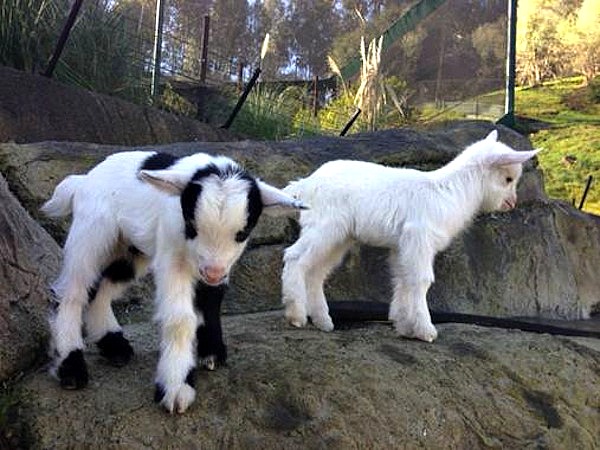
For the first time in fifteen years, there are baby Goats at the Oakland Zoo. Mom Annie gave birth to four healthy babies, or
kids — two males and two females, all weighing between 3-4 pounds (1.3-1.8 kg) at
birth. This is the first time the Oakland Zoo has had kids in about fifteen
years, so it ‘s very special.
The gestation period of a doe is approximately 150 days
long. Twins are the most common and quadruplets are much less common. The
kids will nurse for a few months, but the weaning process is slow. They will
likely be eating some solid foods in addition to nursing for quite some time. A
goat's digestive system will break down just about any organic substance, but
their diet consists of mostly plant-based materials.
Annie was dropped off at the Oakland Zoo last October in need of a home. Zoo staff agreed to take her in as a rescue. The Oakland Zoo does not breed their Goats. "Like many companion animals, there
are plenty of Goats out there that need good homes. Annie was one such Goat,
but she was already pregnant when she arrived, so this is a rare opportunity
for us to enjoy kids!" explained Zoological Manager Margaret Rousser. "Annie has been a fantastic mom so far and we are
very proud of her."
Photo Credit:Oakland Zoo, Photo 1: Elizabeth Abrams, Photo 2, Adam Fink, Photo 4: Emily Denes, Photo 5: Margil Haight
Watch below as the kids wag their tails and practice their natural climbing skills:
Three baby River Otters – two males and one female – were born in the afternoon at California's Oakland Zoo on February 18 to mom Ginger. Each weighed approximately 5.3 oz (150 gms) at birth. The pups are nursing, starting to open their eyes and growing each day. Within a few weeks they will begin eating fish and meat. Keepers say the babies are very vocal, especially the female.
"It is very important for baby otters to learn appropriate social behavior from their mothers, so we are happy that Ginger has been such a great mom and is raising such well-adjusted pups," said Margaret Rousser, Zoological Manager.
The baby otters will not go out on exhibit until May as they need to reach a certain size and learn how to swim (it's not instinctual) before leaving the night house.
There's a new giraffe calf at the Oakland Zoo in California and it's a little girl! Born in January 12, to mom Twiga and dad Mabusu, she's been named Maggie and weighed 80 pounds and was seventy-two inches tall at birth. This is the first female giraffe born at the Zoo in nearly a decade. On February 2 Maggie made make her grand debut to the public.
The Oakland Zoo is thrilled to be a partner and supporter of the Reticulated Giraffe Research Project based in the Samburu National Reserve, Kenya. John Doherty, principal researcher for the project, joined the Oakland Zoo giraffe keepers at the Zoo on February 2nd to speak about some of the crucial conservation issues facing this majestic species.
Maggie is on exhibit every day between 10:00 a.m. and 3:00 p.m. with the rest of the herd.
This doe-eyed Eastern Wallaroo was born in mid-August 2010 at the Oakland Zoo, but he's just now coming into the world. Why?
Wallaroo babies, called Joeys, are technically born after only one month's gestational period – fur-less, blind, and about the size of a kidney bean (1’’long). This tiny newborn will crawl unaided from the birth canal to the mother’s pouch where it begins to nurse. There it will continue to develop, not making an appearance until it is six to eight months old.
Typically, a Joey will not start coming and going from the safety of its pouch with any regularity until approximately ten months of age… but can be seen for short periods between eight and nine months. It will feed from mother's milk for 18 months, though on warm days during that time it may go out of the pouch to have a little bite of grass.
Related to the kangaroo, there are four types of Wallaroos: Eastern Wallaroos, the Northern, the Barrow Island Wallaroo and the Euro. The Eastern Wallaroo, like this one, is found throughout Australia.They seek refuge from the sun in caves and under ledges by day and feed at night, finding water by digging in dry creek beds. The dingo and the Wedge Tail eagle are predators of young Wallaroos. Once fully grown though, they can remain completely still to avoid being seen by predators, but are also capable of escaping at quite high speeds.
On February 15th, Ginger, the Oakland Zoo's four-year-old female North American River Otter, gave birth to her first litter; one male named Ahanu and one female named Tallulah. Each pup weighed approximately 100 grams at birth, and were about the size of a stick of butter.
River Otters are one of the few species that exhibit a phenomenon called delayed implantation. This means otters breed in the spring but the fertilized egg doesn’t actually implant until fall. Since North American River otters are not very prolific breeders, the Association of Zoos and Aquariums makes annual breeding recommendations. When Ginger arrived at the Oakland Zoo in 2008, she was just one year old and too young to breed, but the Association of Zoo and Aquariums eventually wanted her to breed with our twelve year old male Heath.


 Photo credit: Dannielle Stith