The Newest, Cutest Baby Animals from the World's Zoos & Aquariums

Category: Meerkat

  • ,

    _MG_5628_edited-2_Mike_Gilburt

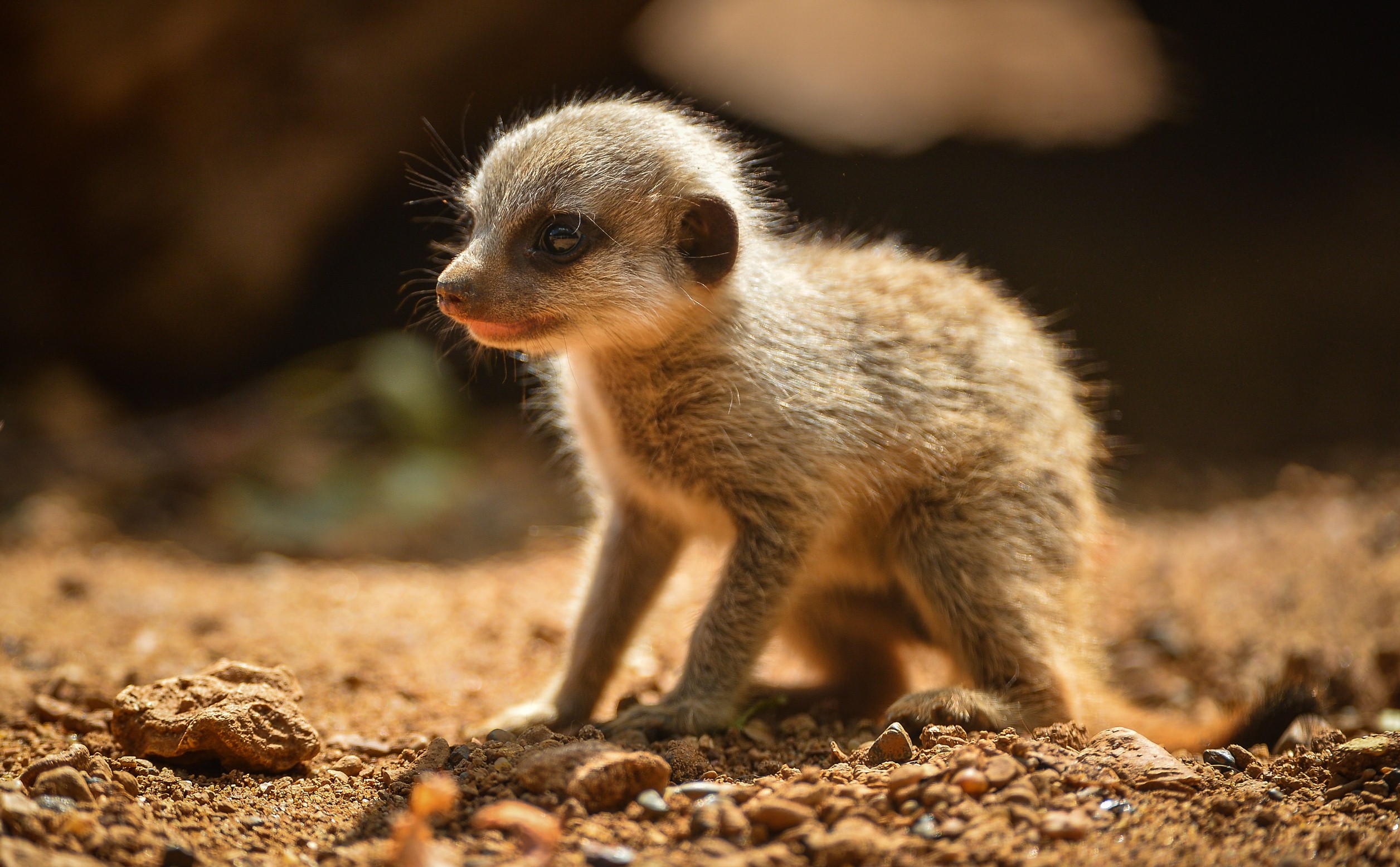
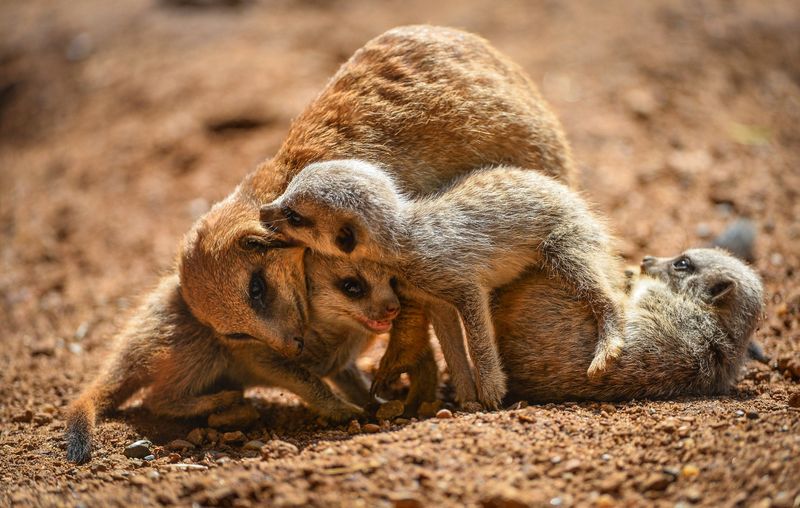
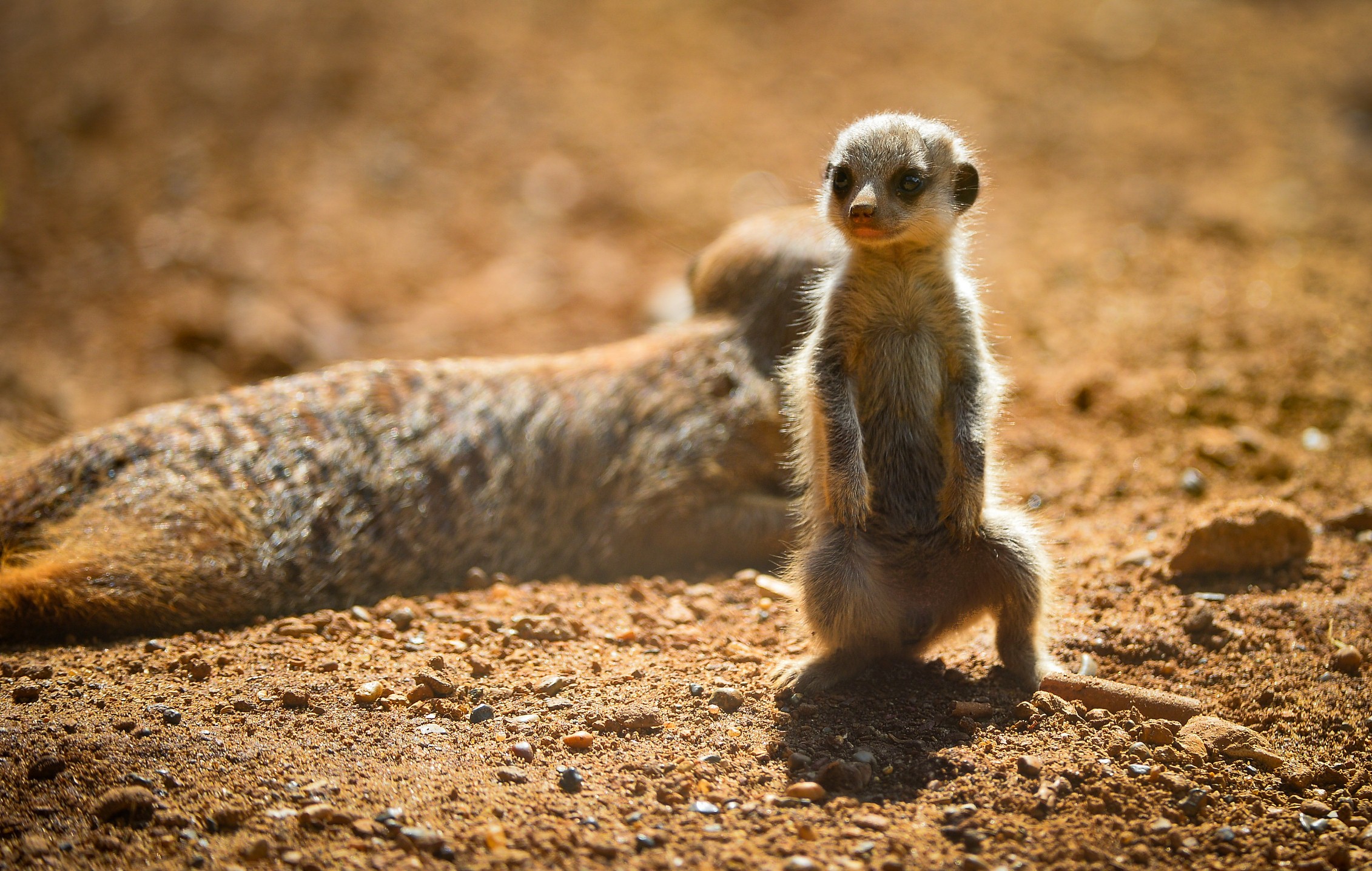
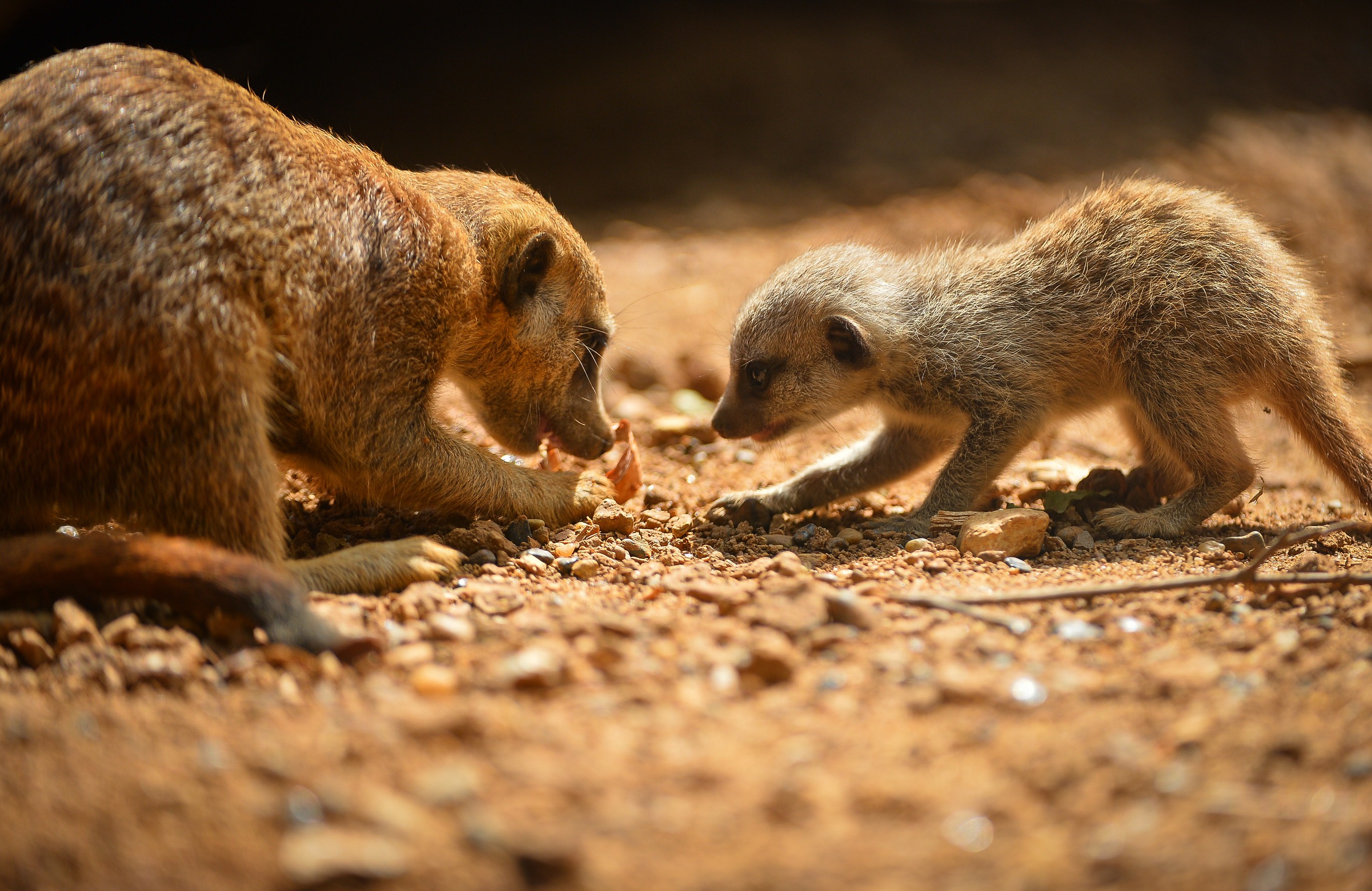
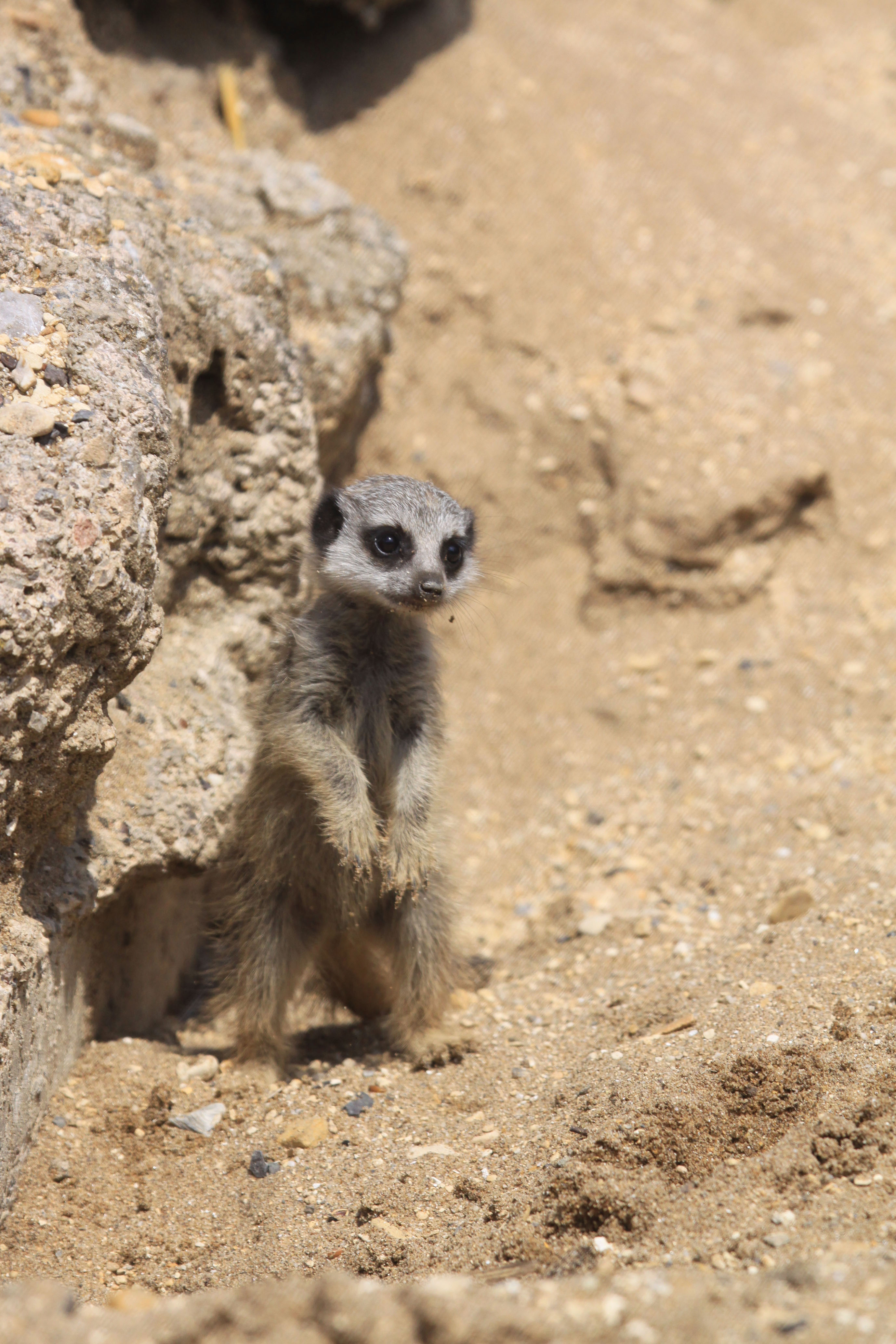
    Keepers at Edinburgh Zoo are delighted to announce the arrival of three Meerkat pups.

    _MG_5600_edited-2_Mike_Gilburt

    _MG_5586_edited-2_Mike_Gilburt

    _MG_5374_edited-1_Mike_GilburtPhoto Credits: Royal Zoological Society of Scotland

    The lively bunch has joined the troop of Meerkats at Meerkat Plaza, in Edinburgh Zoo, and has started to venture outside the safety of the burrow and is slowly learning the ropes.

    Andrew Laing, Carnivore Keeper at Edinburgh Zoo, said, “The Meerkats are always a favorite with our visitors, so it’s wonderful to see some new additions to the group. At only four weeks old the pups are settling in well and their individual personalities are starting to show. Mum, ‘Queen’, and dad, ‘Ace’, are doing really well and are getting plenty of help from other members of the group to raise the pups. Meerkats are actually cooperative breeders, which mean that all adults within the group will help to care for the young.”

    Andrew continued, “Meerkats have a gestation period of around 11 weeks, so we didn't have long to wait for them to arrive, but for the first three weeks of life they stay in the burrow being looked after by the adults. At around four weeks old they will start to explore outside of the den. It’s good to see them out and about learning how to catch their own food.”

    Meerkats are the most well-known member of the mongoose family. They inhabit dry, open areas with short grass and sparse woody scrub, mainly in southern Africa.

    (more…)

  • ,

    11052385_10153169585858564_6499154079992269938_o

    Dartmoor Zoological Park, in the UK, is very proud to announce that ‘Xena’, Meerkat mum-in-residence, has given birth to four kits!  

    1617705_10153169585758564_2975649675038884540_o

    11075210_10153169586498564_3798069421922297234_o

    11043394_10153169586423564_4929633959967411833_oPhoto Credits: Dartmoor Zoological Park

    Head Keeper Mike Downman said, “Mum Xena is a very experienced mother, and… it's good to give her a bit of recognition.”

    This is Xena’s fifth litter of healthy kits. Some of her offspring are on show at the zoo, while others have been transferred to other collections in the region.

    “We don’t know yet which are male or female,” says Mike. “The group is very protective of the new arrivals so it will be a while before we can get a close enough look.”

    The kits are now four weeks old, and despite the mystery of what sex they are, the Park is eager to find names for the litter. Name suggestions can be submitted to Dartmoor Zoological Park’s facebook page

    (more…)

  • ,

    11048678_10152852711463392_5889761931919803143_o
    A litter of Meerkats was born at the United Kingdom’s Blackpool Zoo on March 6! The teensy pups were photographed before they had even opened their eyes.

    1495327_10152852711473392_2971091005767581937_o
    11034339_10152852711408392_7886593135371146034_o
    10540607_10152852711433392_8059006185792184401_oPhoto Credit:  Blackpool Zoo

    Meerkat litters usually contain two to five pups, which are born in an underground burrow.  Members of the troop pitch in to cooperatively raise the young.  For the first three weeks of life, the pups remain in the burrow.

    When the pups are about four weeks old, they start to accompany their group on foraging runs, where they eventually learn to capture insects and other invertebrates to eat.  The pups become mature at about one year old.

    Well known for their highly social behavior, Meerkats dig elaborate burrow systems to house their group of up to 50 individuals.  Meerkats rely a group member to act as a sentry, usually stationed on an elevated mound or rock, to keep a lookout for danger.  Meerkats have a vast repertoire of calls, grunts, and barks to alert group members to different types of threats.  Certain alarm calls will send the Meerkats into the burrow for protection.

    Found in southern Africa, Meerkats are plentiful and not listed as Endangered or Threatened. 


  • , , , , , , , , , , , , , ,

    African Lion Cub_San Diego Zoo

    Pumpkins are everywhere, this time of year! They make great pies, Jack-O-Lanterns, and pretty awesome enrichment toys for zoo animals. Happy Halloween from ZooBorns!

    Charlie_Nashville Zoo

    Red Panda_Lincoln Children's Zoo

    Rainier_ZooAmerica

    Photo Credits: Tammy Spratt/San Diego Zoo Safari Park (Image 1: African Lion Cub); Amiee Stubbs Photography (Image 2: "Charlie" the Porcupine at Nashville Zoo); Lincoln Children's Zoo (Image 3: "Lincoln" the Red Panda); ZooAmerica (Image 4: "Rainier" the Mountain Lion); Zoo Vienna Schönbrunn (Image 5: Elephants); Sue Ogrocki (Images 6-Gorilla,7-Red River Hogs,10-Galapagos Tortoise at Oklahoma City Zoo and Botanical Gardens); Minnesota Zoo (Image 8: Lynx); The Living Desert Zoo and Gardens (Image 9: Meerkats)

    More great pumpkin pics below the fold!

    (more…)

  • ,

    Meerkats_ZooOsnabruck_4

    Zoo Osnabrück, in Germany, is home to four new Meerkat pups!

    Meerkats_ZooOsnabruck_3

    Meerkats_ZooOsnabruck_7

    Meerkats_ZooOsnabruck_1Photo Credits: Zoo Osnabrück

    The youngsters were born September 2nd and are, now, wonderfully playful six-week-olds! ‘Mom’ and ‘Dad’ have their hands full but are assisted in babysitting duties by their elder offspring.

    Meerkats are native to the Kalahari Desert in Botswana, much of the Namib Desert, southwestern Angola, and South Africa. They are members of the mongoose family and primarily insectivores, but Meerkats will also eat other small animals, reptiles, arachnids, birds and fungi.

    Meerkats are small burrowing animals, living in large underground networks with multiple entrances which they leave only during the day. They are very social, living in colonies, known as ‘clans’ or ‘mobs’, of about 20-50 individuals.

    Meerkats forage in a group with one ‘sentry’ on guard watching for predators while the others search for food. A Meerkat can dig through a quantity of sand equal to its own weight in just seconds.Baby Meerkats do not start foraging for food until they are about one month old, and do so by following an older member of the group who acts as the pup's tutor. The Meerkat standing guard makes peeping sounds when all is well. If the Meerkat spots danger, it barks loudly or whistles.

    There are, currently, no major threats to the Meerkat, in the wild.  Their main predators are martial eagles and jackals. They occasionally succumb to snakebites from confrontations, as well. They are, at this time, classified as “Least Concern” on the IUCN Red List.

    More awesome pics below the fold!

    (more…)

  • ,

    10714469_10152494371479624_7405172035503414033_o

    Four new Meerkat “kits” were born September 26th, at Point Defiance Zoo in Tacoma, Washington!  They’ll be on exhibit for the first time during the “Zoo Boo” event, occurring, at the zoo, this weekend, October 18th and 19th

    10511536_10152494373964624_6778004108689665896_o

    10661961_10152494376634624_2497394806536504099_oPhoto Credits: Point Defiance Zoo & Aquarium

    The four babies bring the Meerkat total to 21, for the zoo. The little ones weigh just 90 grams, which is comparable to about a half-cup of M&Ms candy!

    Meerkats, 'Suricata suricatta', are native to the Kalahari Desert in Botswana, much of the Namibian Desert, southwestern Angola, and South Africa. They are small, diurnal, group-living carnivores belonging to the Herpestid family (mongooses). Primarily insectivores, they will, however, also eat smaller animals, arachnids, small birds, and fungi.

    Meerkats are sexually mature at about one year and breed year-round. After an 11 week gestation, females give birth to an average of 3 offspring. Females can have as many as 3 litters a year. Babies are usually weaned between 49 and 63 days. Both parents, as well as non-breeding helpers, provide care to the offspring.

    Meerkats are highly social. A meerkat group, known as a “mob" "clan" or "gang," may include as many as three family groups (up to 30 individuals). Each family group is made up of parents and their offspring. Mobs live in burrows consisting of elaborate tunnel systems with multiple entrances. Their dark skin and hair help them absorb heat. When it's time to eat, one adult stays with the young as a "babysitter" while the rest of the mob forages by digging in soil and grass or overturning rocks. They will also take turns doing other jobs, including "sentry," "teacher" and "hunter."

    Meerkats are currently listed as “Least Concern” on the IUCN Red List.

  • ,

    Baby meerkat at Longleat Safari and Adventure Park two PIC Ian TurnerA baby Meerkat is making its first public appearance at the United Kingdom’s Longleat Safari & Adventure Park.

    Baby meerkat at Longleat Safari and Adventure Park one PIC Ian Turner
    Baby meerkat and adult at Longleat Safari and Adventure Park PIC Ian TurnerPhoto Credit:  Ian Turner
     

    Although born in May, the pup has spent the last two months inside an underground den with first-time parents Cassie and Pipsqueak.  This week, the baby is venturing outside for the first time!

    “It’s been a long wait but the pup is now loving the outside and can be regularly spotted alongside the six other adults in this group,” said Longleat’s Darren Beasley.  “All the older Meerkats take turns in keeping watch over the baby and share any tasty bugs that they find.”   Keepers don’t know the baby’s gender yet.

    Baby Meerkats are born virtually naked and helpless with their eyes closed. They spend the first weeks of life underground and are completely reliant on their mother’s milk.  Once they begin venturing outside, they stay close to their burrows under the watchful eye of a Meerkat babysitter.

    At around two months of age the pups, although still nursing, will start foraging for insects and other food items with the rest of the group but it can take up to 16 weeks for them to be completely weaned.

    Native to southern Africa, Meerkats spend much of their day sunbathing.  Lying on their backs, their dark-skinned, sparsely-furred bellies act as 'solar panels' to warm them up.

    Meerkats have a wide vocabulary with a variety of alarm calls. Meerkats are relatively long-lived, particularly in captivity where individuals can live for up to 12 years or more.

  • ,

    Meerkats-1

    At the UK's Chester Zoo, five baby meerkats have taken their first steps into the outside world. 

    The tiny newcomers made their first public appearances after being hidden away in burrows by their parents since being born on April 20.

    Meerkats-14

    Meerkats-15

    Meerkats-17

    Meerkats-18

    Team manager Dave White said:


    “All of the pups are full of rough and tumble. They’re a real handful for mum, dad and the other adults in the mob who, between them, are doing their best to keep them in check.


    “At the moment our new quintet are much too small to sex but we should know if they’re male or female in the next couple of weeks.”


The meerkats come hot on the heels of other new arrivals at the zoo. A rare baby warty pig and two warthog piglets have also made their debuts in recent weeks.  

    Related articles

    One, Two, Three, Four! Four Little Meerkat Pups for Twycross Zoo
    More Mischievous Meerkats at Taronga Zoo!
    Rare Warty Piglet Born at Chester Zoo
    One Masked Baby Meerkat Peeks Out from Behind Mom at Chester Zoo
  • ,

    1 meerkat

    The Meerkat mob at Florida's Brevard Zoo is growing! The alpha male and female, Jasper and Kiki, have a new litter of pups, born about a month ago. But they've stayed mostly underground so far, and zoo officials aren't sure how many pups there are yet. The first sighting occured on April 14, when one little pup ventured outside the burrow only to be pulled back inside by mom. Since then, there have been some sporadic sightings. 

    2 meerkat

    3 meerkat

    4 meerkat

    5 meerkatPhoto credit: Brevard Zoo 

    Keepers suspected that Kiki was pregnant when the new Meerkat exhibit opened on March 15, and had their suspicions confirmed a few weeks later when she appeared aboveground, suddenly looking a lot smaller. The babies have not yet been rounded up for a health check, but so far, everybody who's been sighted seems normal. 

  • ,

    1 meerkat

    Last April, Five Sisters Zoo in Scotland was damaged by a terrible fire that not only destroyed their tropical house and 48 different species of small mammals and reptiles, but also the indoor meerkat house, killing 11 members of their meerkat family.  

    At the beginning of November, keepers saw two meerkat kits emerge from the burrow – a true sign that the remaining meerkat pair had fully recovered from their trauma.  November in Scotland was not an ideal time to have young, but they are such resilient creatures that the babies have thrived ever since. 

    Two weeks ago, two more kits emerged from the burrow, much to the delight of all the staff at the zoo!

    2 meerkat

    3 meerkat

    4 meerkatPhoto credit: Five Sisters Zoo / Lesley Coupar

    Before the two additional kits made their appearance, a FaceBook appeal for name ideas generated hundreds of suggestions. The two most popular names were chosen: Alex, named for one of the first firemen on the scene at the zoo (who is also their postman by day), and Poppy, the flower of Remembrance Day, when the two pups emerged. The new additions have yet to be named. 

    A new home for the meerkat family is nearly complete. It is located beside the site for their tropical house and will also house two porcupines and a new giant African Spurred Tortoise called Chad, who is 31 years old.  The meerkats should move into this new habitat within the next couple of weeks.

    For more photos, see our story about the first two kits.