The Newest, Cutest Baby Animals from the World's Zoos & Aquariums

Category: Prague Zoo

  • ,

    Female tongue

    There are two reasons to celebrate this month at Prague Zoo. After 14 months of gestation, two Rothschild Giraffe calves were born within days of each other. The first arrived on February 9, born to mom Nora, one of the best known animals at the Zoo. Nora is 13 years old and a very experienced mother — this is her fifth baby and she successfully raised all but the first on her own. The father of the newborn is the twelve-year-old Johan. Their calf is a female and has been named Apolena.

    Mom and appolonia

    Just two days later, on February 11, another female in the herd named Eliška began to go into labor. She had not eaten anything since the morning and was nervously pacing up and down the dormitory. As if to lend support, Nora paid close attention to Eliška's process from the neighboring dorm. Eliška successfully gave birth to a little male, cleaning him thoroughly. He stood and suckled soon after. His name will be chosen out of three options by public vote.

    Male and mom

    Male

    Fam
    Photo Credit: Photos 1-4, Tomas Adamec/Prague Zoo, Photo 5: Martin Smrček/Zoo Praha
  • ,

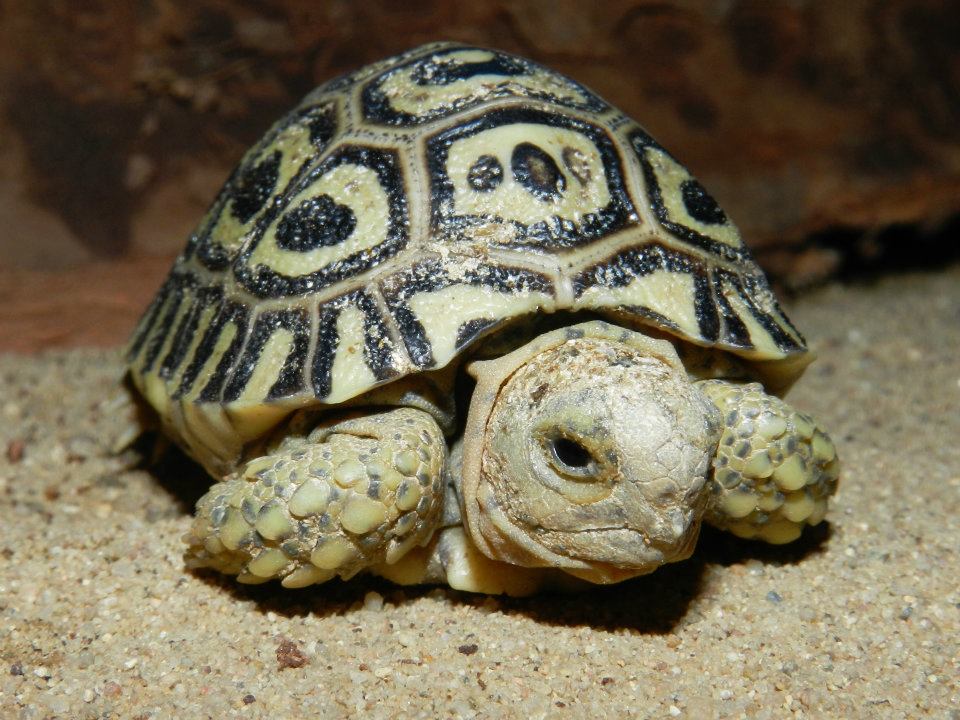
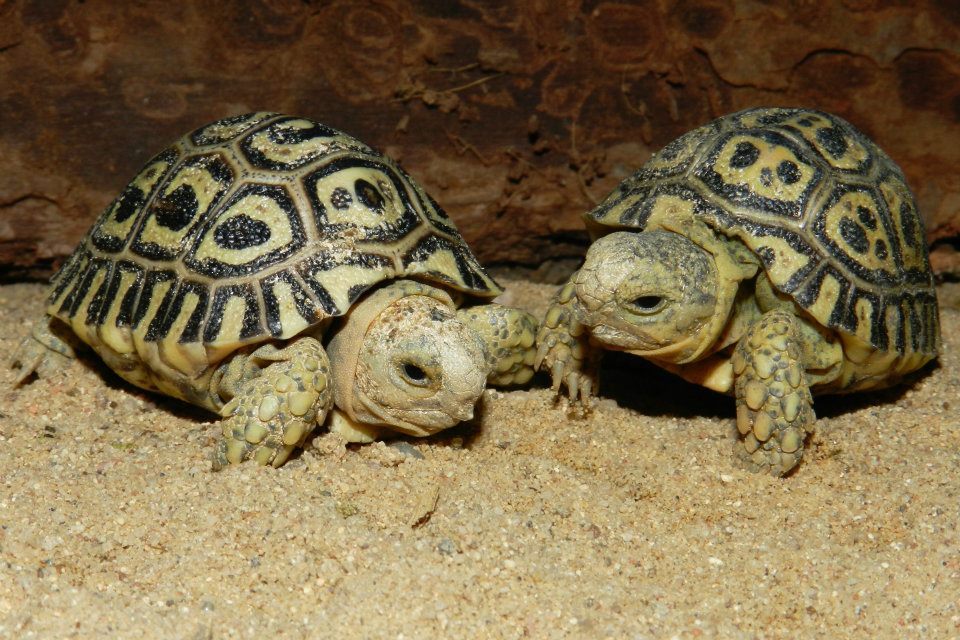
    Turtle - Prague Zoo

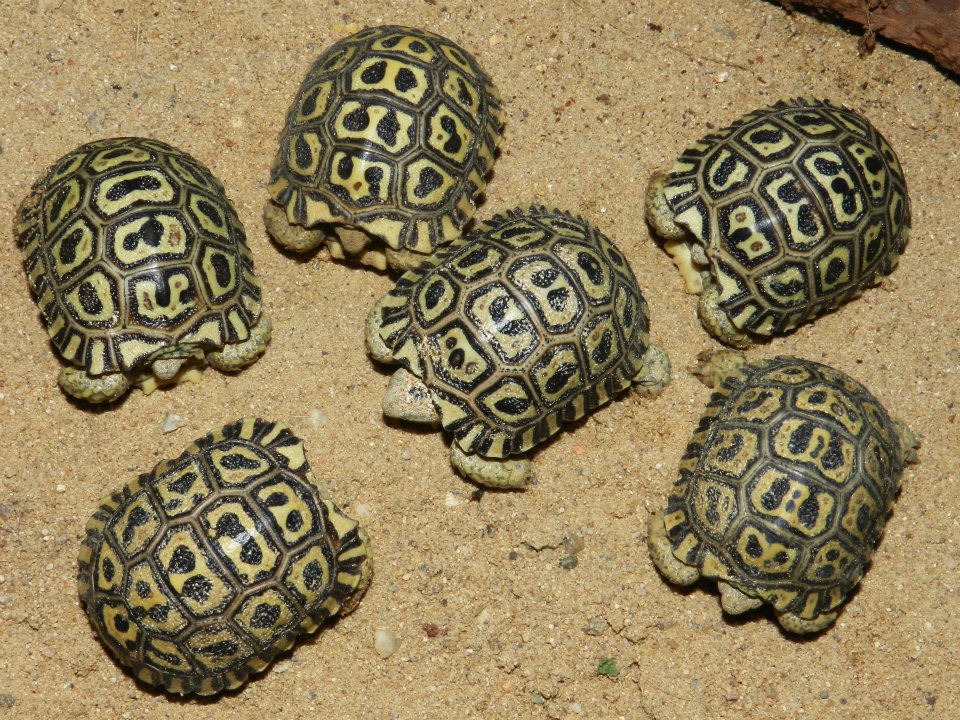
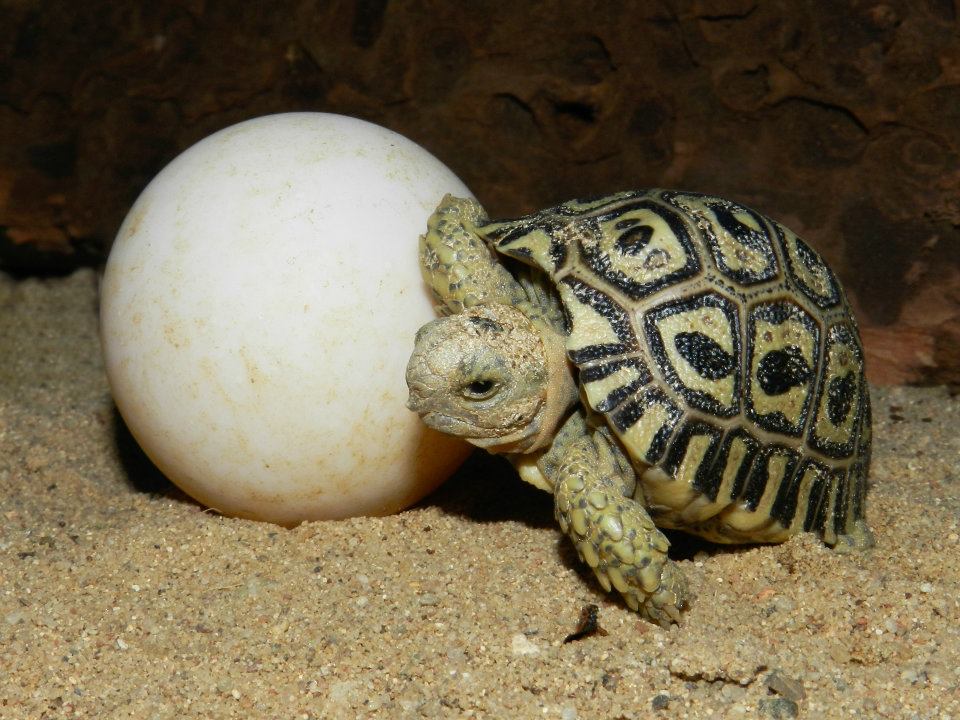
    Zoo Prague rang in the New Year with the hatching of six baby Leopard Tortoises. Three of the six had hatched yesterday and the remaining three emerged in time for New Year's day. The fourth largest Turtle species in the world, Leopard Tortoises can grow to be 28 inches long and weigh 120 pounds! The striking pattern on its shell gives the Leopard Tortoise it's name. While little is known about the reproduction requirements for these Tortoises, Zoo Prague were the first breeders of the species to learn that cool temperatures (between 10 and 15 degrees celsius) were needed for the initial development of their eggs.

    Turtle - Prague Zoo2

    Turtle - Prague Zoo3

    Turtle - Prague Zoo4
    Photo credit: Peter Velenský, Prague Zoo

    More photos after the jump…

    (more…)

  • ,

    Senegal Bush Baby - Zoo Prague 7

    Three Senegal Bush Babies (also known as Galagos) were born at the Prague Zoo in the Czech Republic on October 5th. On wednesday, zoo veterinarians gave the three their first medical check up. The babies are from two different litters, despite having been born all on the same day. This trio of tree dwellers includes two males and a female. Bush Babies use sensitive hearing and ears which can bend one at a time to hear their prey which includes birds and insects. Fruit, seeds, flowers, eggs, nuts, and tree gums make up the rest of their omnivorous diet.

    Senegal Bush Baby - Zoo Prague 3

    Senegal Bush Baby - Zoo Prague 2

    Senegal Bush Baby - Zoo Prague 5

    Senegal Bush Baby - Zoo Prague 1

    Senegal Bush Baby - Zoo Prague 6
    Photo credits: Zoo Prague

  • ,

    CU

    In the Children's Zoo at Zoo Praha in Prague something special happened: two furry babies – an alpaca llama and dwarf zebu — were born. Both are thriving under the care of their mothers.

    Alpaca are related to the camel and the llama. Once nearly driven to extinction by Spanish conquerors, a small number survived high in the Andes Mountains, thanks to their adaptability. Now they populate the mountain plateaus in Chile, Bolivia and Peru. Highly pirzed for their luxurious coats, the alpaca has been a treasured blessing to the people who live near them. Their fleece grows in abundance, in 22 naturally different shades, from black to champagne color, and is easy to shear to make coats, hats, and the like. They are very low maintenance, needing little to drink or eat. They nibble at grasses and do no harm to trees and other plants. 

    Nurse

    Prague

    Dwarf Zebu like the ones below are a kind of cow and stand about 4 feet tall (1.22 meters), with a large hump on the shoulders. They have long, slender legs, and a large dewlap — a fold of loose skin that hangs from the neck. Unlike many other horned animals, their horns point forward.

    Found primarily in Sri Lanka, India, and Nepal, they have been mostly domesticated and become very helpful draft animals. Their small size allows them to survive on scarce food supplies, so they are easier to maintain than larger cattle.

    Due to the gentle nature of both, these animals make perfect ambassadors for their species in the Children's Zoo, where kids can get up close as they learn about them. 

    Calf and mom

    Calf
    Photo Credit: Tomas Adamec/Prague Zoo

  • , , ,

    KW_49_Gorilla_Tano_07.12.11_Bild_5

    Recently, ZooBorns reported on Tano the infant Gorilla’s move from Prague Zoo to Wilhelma in Stuttgart, Germany. Tano has successfully completed his quarantine period and beginning today, lucky visitors can view the tiny Gorilla between 11.30 and 12 Noon. Tano can also be seen during his feeding times, although there is no set time table for these.

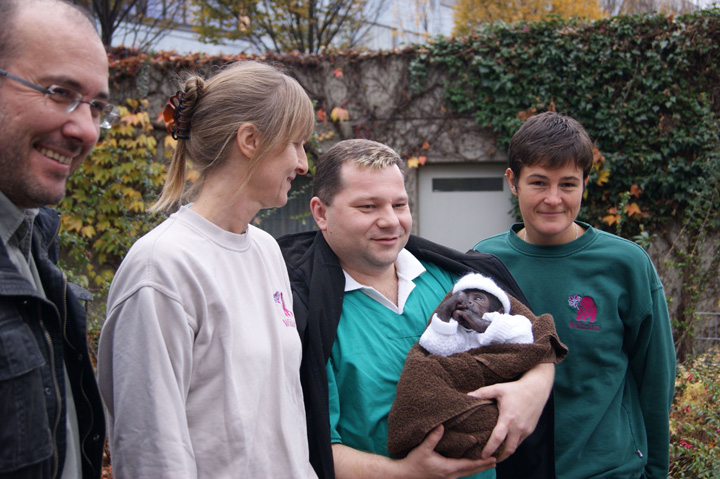
    For the past three weeks, Tano has been cared for around the clock by surrogate mothers nurses Bea Jarczewski, Margot Federer and Thali Bauer. For now, the most important things in this little Gorilla baby’s life are sleep, warmth, body contact, cuddling, vocalization, and of course, milk when he is hungry!

    KW_49_Gorilla_Tano_07.12.11_Bild_4

    KW_49_Gorilla_Tano_07.12.11_Bild_1

    KW_49_Gorilla_Tano_07.12.11_Bild_3
    Photo credit: Wilhelma / Th. Bauer

  • , , ,

    KW_46a_Tano_und_Pflegerin_15.11.11_Bild_6

    Wilhelma Zoo in Stuttgart, Germany is now home to Tano, a tiny baby Gorilla who was transported from his birth place in Zoo Prague just a week ago. His inexperienced mother Bikira was unable to care for him, so Zoo Prague moved him to Wilhelma in coordination with the European Endangered Species Programme. Tiny Tano is not a complete stranger to Wilhelma, he is the great-grandson of former Stuttgart gorillas Dina and Banjo. His mother Bikira was also hand raised at Wilhelma  from 1995 to 1998. Tano has been doing very well in his new surroundings so far, being expertly hand-reared by keepers, he is sleeping well and drinking plenty of milk.

    KW_46a_Tano_bekommt_Fläschchen_15.11.11_Bild_5_01

    KW_46a_Tanos_Ankunft_15.11.11_Bild_42

    KW_46a_Tano_bei_der_Pflegerin_15.11.11_Bild_7

    KW_46a_Tanos_Ankunft_15.11.11_Bild_4
    Photo credits: Wilhelma Zoo

    Listen closely for the tiny breaths Tano takes as he adjusts himself in his surrogate mother's arms in this video below.

    It's been quite a start to life for little Tano.  While at Zoo Prague, keepers rushed him to an incubator because without the body warmth of Bikira, he would not have survived. Attempts were made to return him to his mother's arms. Sadly, these were unsuccessful. In order to ensure the infant's survival, hand-rearing was the only option. The combination of round the clock care, a hot water bottle and a fur cloth as well as a device to mimic the beating of a gorilla mother's heart are all employed to ensure as normal an infancy as possible under the difficult circumstances.

    There are a number of short videos and another picture beneath the fold…

    (more…)

  • ,

    313201_10150269895977581_154816702580_8173951_4857475_n

    Prague Zoo has welcomed its first Alaskan or Dall Sheep lamb. The birth is relatively rare for zoos in general. While the fluffy white lamb's sex is as yet undetermined, if it is male, it will grow long curled horns. The new lamb is playful and able to spring about with dexterity, even at this young age. Its wild cousins use these skills to navigate the rugged and inhospitable terrain of the Alaskan wilderness.

    310146_10150269895992581_154816702580_8173952_1014705_n

    307791_10150269895882581_154816702580_8173948_2368127_n

    300911_10150269895922581_154816702580_8173949_2987262_n
    Photo credits: Tomáš Adamec

  • ,

    Przewalski's Horse - Prague 8

    Prague Zoo welcomed its 216th Przewalski's Horse foal on August 1. Prague Zoo has the leading international stud book (breed registry) of this critically endangered species and boasts the longest continuous breeding history worldwide. The foal's father is a male from the Ukraine whose grandmother Lena was the last Przewalski's Horse ever caught in the wild. For this reason, the new foal's genes are extremely valuable for maintaining diverse bloodlines in breeding populations. The foal's Mother Hara has proven an exemplary mom, immediately coming to the aide of the foal by cleaning it and overseeing its crucial first steps. Sadly, the Przewalski's horse became extinct in the wild in 1968, but Prague Zoo and others worldwide have had success in efforts to revitalize wild populations.

    Przewalski's Horse - Prague 1

    Przewalski's Horse - Prague 3

    Przewalski's Horse - Prague 5

    Przewalski's Horse - Prague 6
    Photo credits: Tomáš Adamec

    More photos below the fold…

    (more…)