The Newest, Cutest Baby Animals from the World's Zoos & Aquariums

Category: Zoo Miami

  • ,

    3 hog

    Zoo Miami is celebrating the birth of five African Red River Hogs! The three males and two females were born on February 28 and are the first of this species ever born at Zoo Miami. 

    The first-time mother, three-year-old Penny, was born at the Oklahoma City Zoo. The first-time father is two-year-old Baloo, who was born at the San Diego Wild Animal Park. The mother and her piglets are presently separated from the rest of the group and will remain off-exhibit for a little while until the staff feel that mother and babies have bonded well and are secure with their surroundings.  Penny is being an excellent mother and is very attentive to the piglets. 

    4 hog

    5 hog

    1 hogPhoto credit: Zoo Miami

    See and read more after the fold!
    (more…)

  • ,

    1 otter

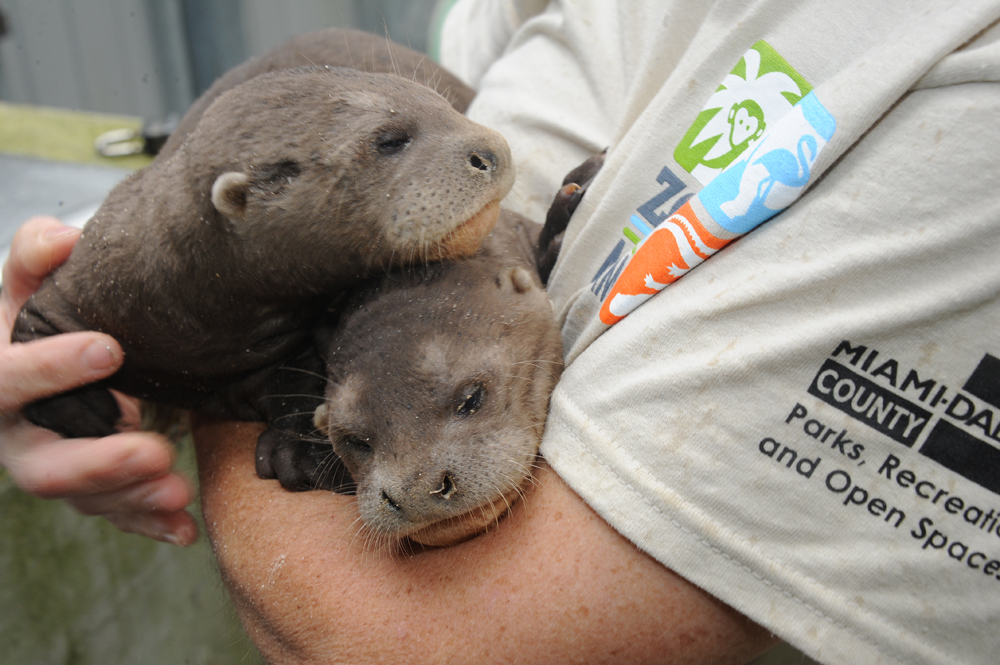
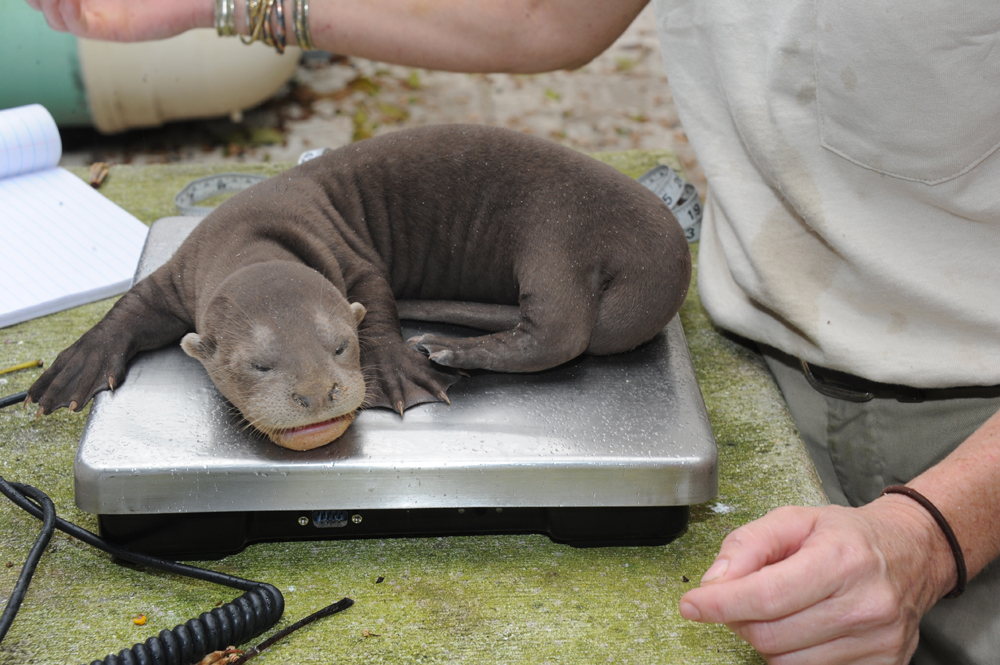
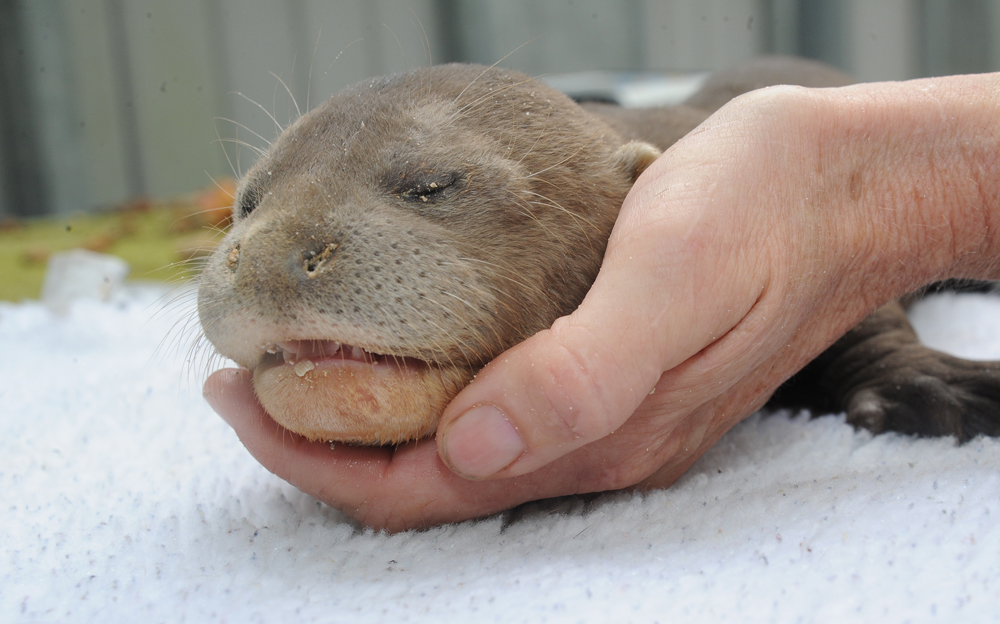
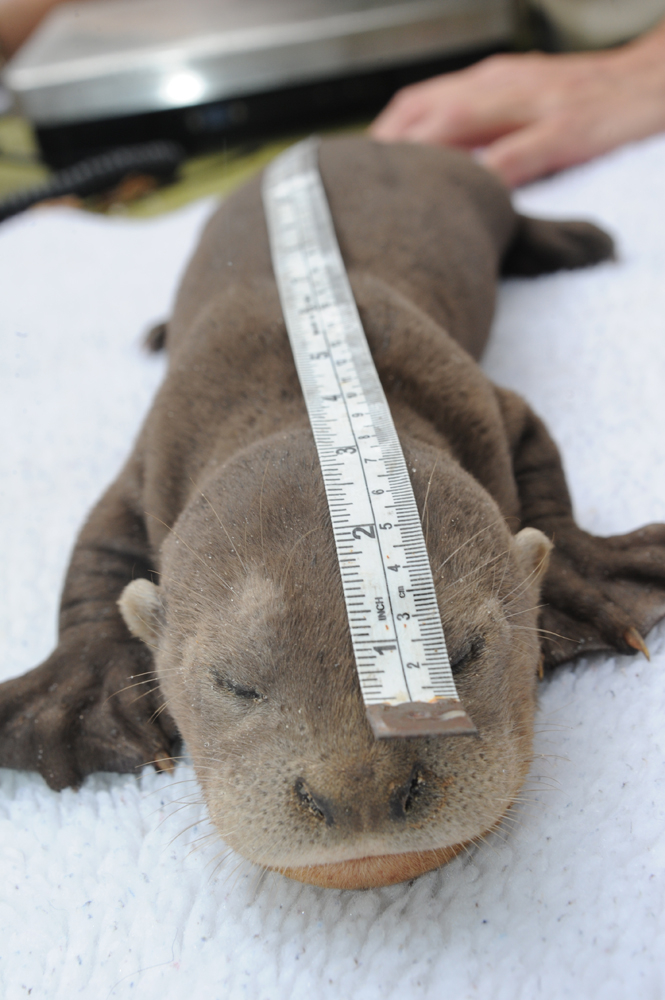
    Zoo Miami is home to a new litter of highly endangered Giant Otters!  The two male pups were born on December 19 and are currently in a secluded den off of exhibit being raised by their mother, Kara and their father Witoto.  Kara was born at the Philadelphia Zoo and Witoto is on loan from the Brazilian Institute of the Environment and Natural Resources in Brazil.  This is the fifth successful litter produced by this pair at Zoo Miami.

    At nearly 5 weeks old, the two pups are just now beginning to open their eyes and will remain in the den for the next several weeks prior to being introduced to their exhibit. 

    2 otter

    4 otter

    3 otter

    6 otter

    5 otterPhoto credit: Zoo Miami

    Though they are only about two feet (60 cm) long and weigh approximately four pounds (.9 kg) at this time, they may grow to be nearly six feet (1.8 m) long and weigh close to 75 pounds (34 kg) as adults.  Commonly called 'River Wolves' in their native habitat, Giant Otters are found in isolated and remote areas within some fresh water lakes, rivers, creeks, and reservoirs of tropical South America.  Their numbers have been drastically reduced due to fur hunting and habitat destruction.  In the wild, they feed mainly on fish, but have also been known to eat caiman and snakes.  They are highly social and can be found in family groups of 10-12 animals with a lifespan of approximately 12 years in the wild and up to 21 years in captivity.

  • ,

    5 pigeon

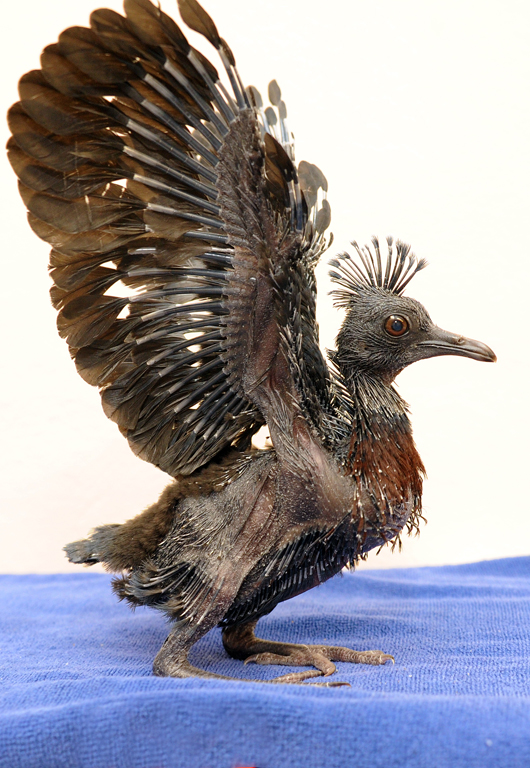
    Zoo Miami has announced its first successful hatching of a Victoria Crowned Pigeon!  The single chick hatched on November 30 after being artificially incubated in the zoo’s brooder building for 28 days. 

    Victoria Crowned Pigeons are the world’s largest living pigeons, reaching a length of nearly 30 inches (76.2 cm) and weighing close to five pounds (2.27 kg).  They are one of the closest living relatives of the now extinct Dodo bird.  Found in the lowland forests of New Guinea and portions of Indonesia, these stunning birds are classified as Near Threatened on the International Union for Conservation of Species' Red List. Main threats are deforestation for logging as well as by hunting for food and their ornate feathers.  These birds are found in small flocks on the forest floor foraging for seeds, fruit and snails.  Distinguished by their ornate fan of crest feathers and deep red eyes, adults are mainly blue in color with accents of deep burgundy and small highlights of white.   

    4 pigeon

    2 pigeon

    1 pigeon

     3 pigeon

    Victoria Crowned Pigeons are monogamous birds that mate for life. The male courts the female by lowering and bobbing his head, fanning his tail, and emitting rapid booming sounds. He then brings the female sticks which she uses to construct a nest and both parents share in the incubation duties. Unlike most other birds, pigeons, both males and females, produce a special 'crop milk' which is used to feed the single chick for the first few weeks of its life. Once this chick is weaned, the hope is to introduce it into Zoo Miami’s “Wings of Asia” aviary exhibit.

    6 pigeon

    7 pigeonPhoto credit: Zoo Miami

  • , ,

    1

    For
    the first time in the 33 year history of Zoo Miami, the birth of Lions is being
    celebrated!  On Tuesday, September
    24th, “Kashifa’” a 3 year, 8 month old Lioness gave birth to three
    cubs in a special den off exhibit. 
    Until today, the cubs were being observed in that den via a closed
    circuit camera which indicated that the newborns are being well cared for by
    the first time mother.  This
    morning, zoo staff was successful in shifting the mother, which allowed the
    separation of the cubs and subsequent safe access for their neonatal
    examination.  The examination enabled
    staff to determine the sex of the cubs as well as obtain weights while
    carefully evaluating their overall condition.  In addition, they received microchips for identification.  The two males and single female
    appeared to be in excellent health weighing between 1.63kg and 1.75kg and will
    remain off exhibit with their mother for approximately 3 months until zoo staff
    feels confident that the cubs can be introduced to the rest of the pride and
    safely navigate the exhibit with the adults.

    Kashifa
    is one of four Lions that form the pride at Zoo Miami.  She shares the exhibit with her sister,
    Asha, and two unrelated brothers, Jabari and Kwame.  Both females were born at the Bronx Zoo in New York in
    January of 2010 and the males were born at the Racine Zoo in Wisconsin in
    September of 2007.   It is not
    known for sure which if the two brothers is the father of the cubs as both
    males had equal access to the females. 

    15

    14

    13

    These
    cubs were born as part of a carefully planned breeding that was the result of a
    Species Survival Plan (SSP) recommendation.  Species Survival Plans are part of the Association of Zoos
    and Aquariums
    (AZA) mission to cooperatively manage specific, and typically
    threatened or endangered species populations in accredited institutions.

    See more photos of the cubs below the fold…

    (more…)

  • ,

    K HERO

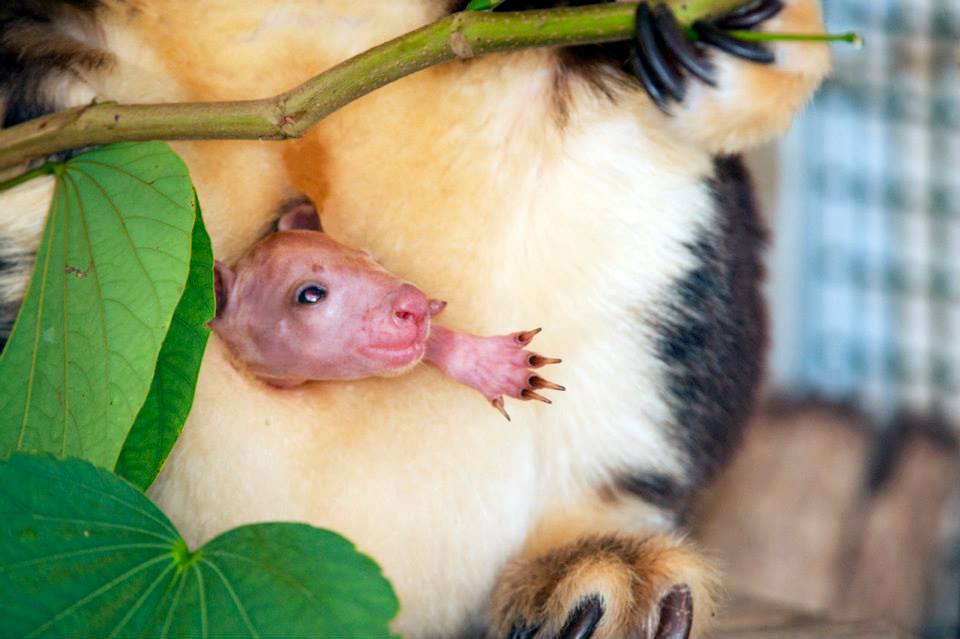
    An Endangered Matchie’s Tree Kangaroo has begun to peek out of its
    mother’s pouch at Zoo Miami. Though
    it is just now exposing itself, this joey is believed to have actually been
    born approximately 5 months ago. 
    As with most marsupials, Tree Kangaroos are born in an almost embryonic
    state after a pregnancy of about 44 days. The newborn is only the size of a
    jelly bean and slowly crawls into the mother’s pouch where it locks onto a
    nipple and then the majority of development takes place.

    Now more fully formed, the little one is still hairless and while it peeks out of the pouch, it will stay confined there for the next several months, continuing to develop before venturing away from its mother.  It will not be totally weaned until it is around a year old. 

    K mouth

    K nose to nose

    K mom eats
    Photo Credit: Zoo Miami

    Matchie’s tree kangaroos live at high elevations in the Huon Peninsula of Papua New Guinea where they spend most of their time up in trees feeding on a variety of leaves, ferns, moss, and bark.  They are believed to be solitary animals and the only strong social bond formed is between a mother and her offspring.  Both Mom and joey will remain off exhibit for several weeks to allow for proper bonding and to help facilitate a smooth introduction for this wonderful new addition!

    Read more and see more pictures after the fold:

    (more…)

  • , , ,

    Zoo Miami Harpy Eagle Chick 6

    It is with great pride that Zoo Miami officially announces the hatching of an endangered Harpy Eagle! Here are several images that Ron Magill was extremely fortunate to capture friday morning (after patiently waiting over 3 ½ hours for the mother to allow him a view!) of the chick being fed by its mother. In addition, we’ve included two images that Ron was able to take of the chick when it was only 9 days old so you can see how much it has grown in 3 weeks.

    Zoo Miami Harpy Eagle Chick 8

    Zoo Miami Harpy Eagle Chick 10

    Zoo Miami Harpy Eagle Chick 12

    Photo credits: Ron Magill / Zoo Miami

    (more…)

  • ,

    Nose 2 nose

    ZOO Miami is celebrating the arrival of a new litter of African Warthogs. The four female piglets, born on April 13, have spent the last several weeks behind the scenes with their protective mother to ensure that they are healthy and developing well. The Zoo aims to have them on exhibit with their parents for the upcoming Memorial Day weekend.

    Warthogs are a type of African wild pig that is distinguished by large upward curving tusks and what appear to be large “warts” growing out of the sides of their heads. These warts are actually cartilaginous tissue that is more pronounced in the males. They are common throughout much of sub-Saharan Africa, can grow to be close to 250 pounds and live up to 15 years. 

    Eye

    Face

    Mum

    Bums

    Photo Credit: Ron Magill

    Want more warthog babies? The pictures continue after the jump:

    (more…)

  • ,

    Rhino-13

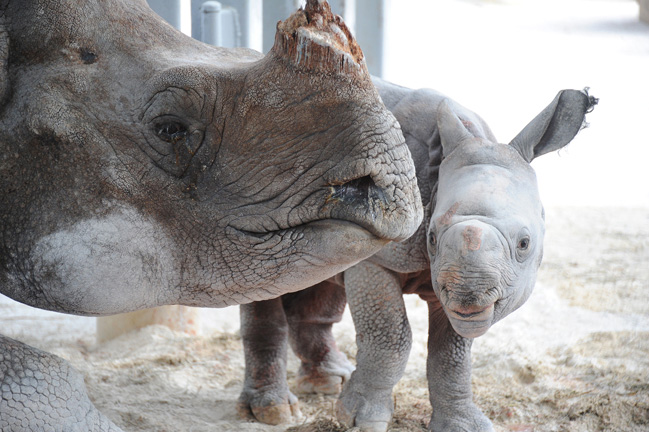
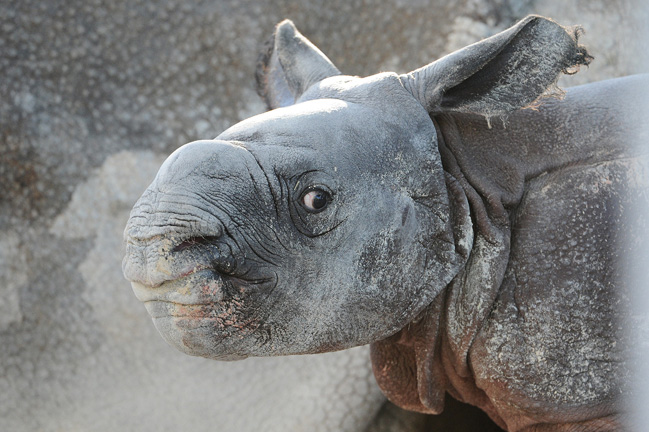
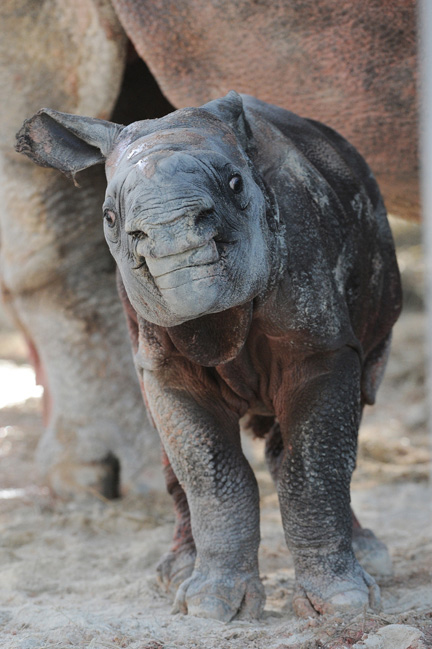
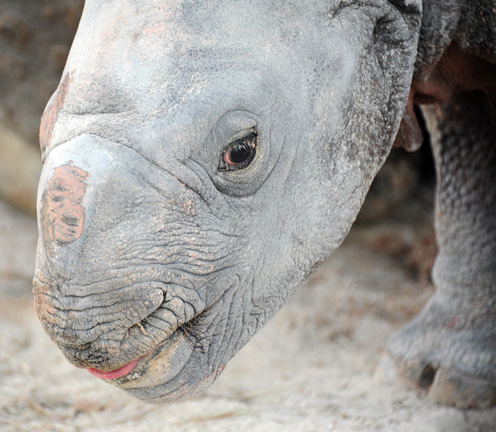
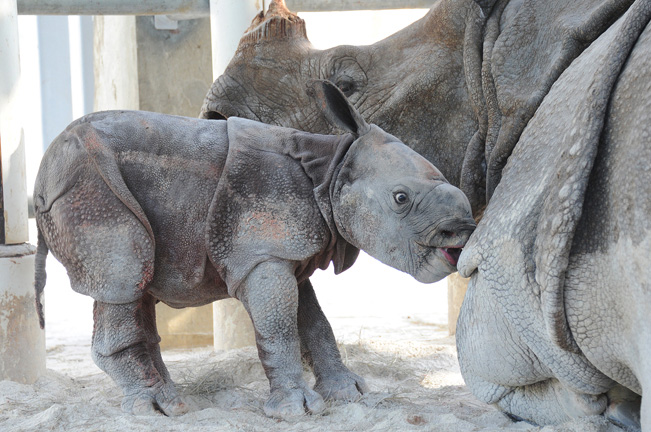
    Early yesterday morning, after a nearly 16 month pregnancy, “Kalu,” an 11 year old Indian one horned Rhinoceros, gave birth at Zoo Miami.  This is the first ever successful birth of this highly endangered species for Zoo Miami and in fact, in the history of all South Florida zoos.

    Kalu was born at the Bronx Zoo on December 22, 2000 and arrived at Zoo Miami as part of a breeding loan on June 10, 2004.  The father’s name is “Suru” and he was born at the San Diego Wild Animal Park on December 31, 2000.  He arrived at Zoo Miami on October 19, 2003 as part of a breeding loan with the San Francisco Zoo.  This is the first offspring for both individuals.

    Rhino-1

    Rhino-4

    Rhino-12

    Rhino-8
    Photo Credits: Ron Magill

    There are less than 3,000 Indian Rhinos left in the wild occurring in small protected areas of Nepal, India, and Assam.  Over the years, they have been poached extensively for their horn which is used for medicinal purposes and for dagger handles that are revered in some Asian cultures.  They are the world’s fourth largest land mammal sometimes reaching a weight of 6,000 pounds.

    More photos below the fold…

    (more…)

  • ,

    Otter+pups+copy

    Miami Metroparks Zoo welcomes its second litter of Giant River Otter pups this year! The two pups, born November 3rd, are almost a foot long and weigh about a pound each. When fully grown, Giant Otters can reach up to six feet in length and weigh close to 75 pounds! These endangered carniverous mammals are native to South America and live in remote areas of the tropics by lakes and fresh water rivers.

    383061_283189538370023_115685725120406_917253_824791232_n

    311413_283189301703380_115685725120406_917251_490655810_n

    310282_283189561703354_115685725120406_917254_702197974_n

    More otterageous photos below the fold…

    (more…)